 Image 1 of 3
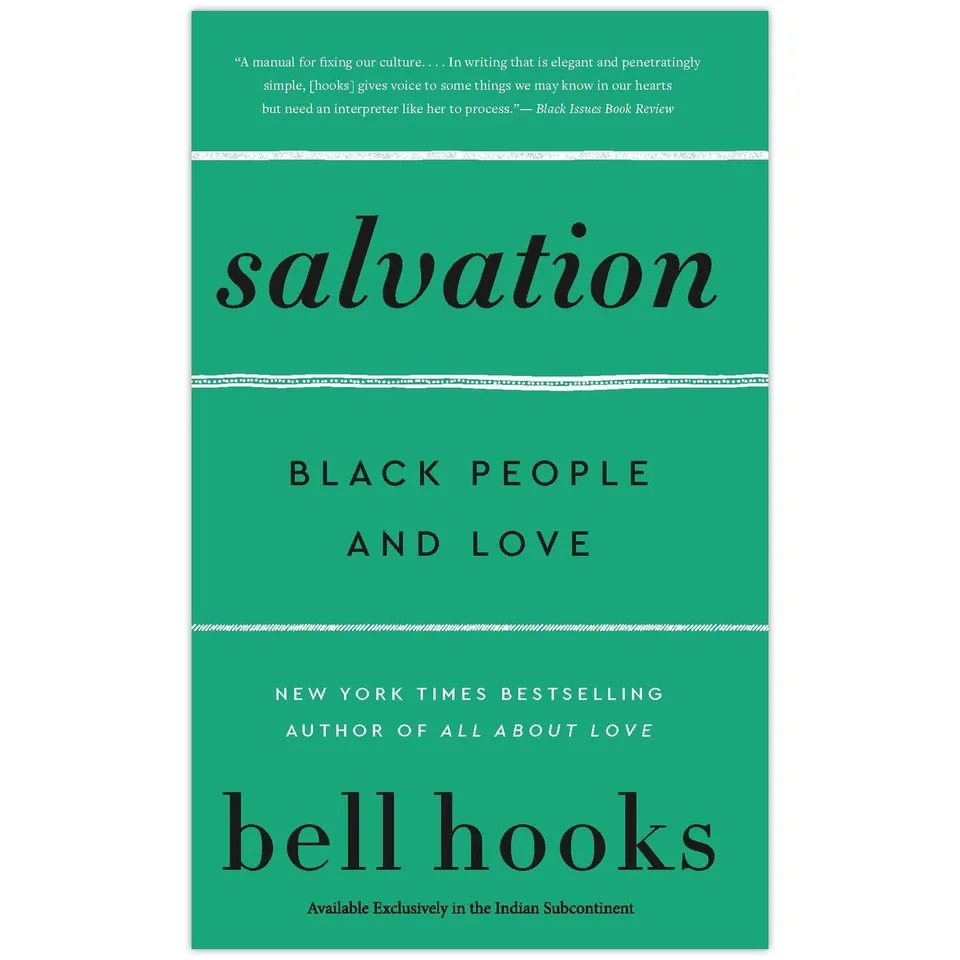 Image 2 of 3
 Image 3 of 3
Classic but some of the views were so seasoned by a child of the fifties that it was ever so slightly difficult to translate those views to modern day. Sometimes hooks presents examples too much to one extreme, making it difficult for those who not accustomed to her sometimes sarcastic but straight-forward nature to be put off by such "radical" thinking. But the book is a well-articulated commentary on the way the history of African Americans, especially those in poverty to middle classes, have shaped their views on love, and why exactly it is "we" love the way "we" do, why "good" black men seem to be fewer and fewer, and why "strong" black women seem to face the same scarcity. It also provides a message of hope supported by Christian and American ideals.
Classic but some of the views were so seasoned by a child of the fifties that it was ever so slightly difficult to translate those views to modern day. Sometimes hooks presents examples too much to one extreme, making it difficult for those who not accustomed to her sometimes sarcastic but straight-forward nature to be put off by such "radical" thinking. But the book is a well-articulated commentary on the way the history of African Americans, especially those in poverty to middle classes, have shaped their views on love, and why exactly it is "we" love the way "we" do, why "good" black men seem to be fewer and fewer, and why "strong" black women seem to face the same scarcity. It also provides a message of hope supported by Christian and American ideals.