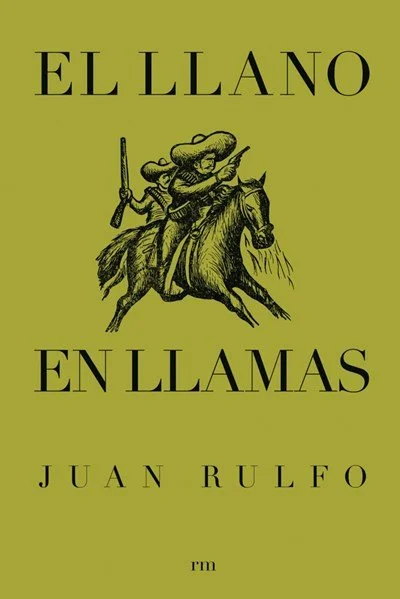
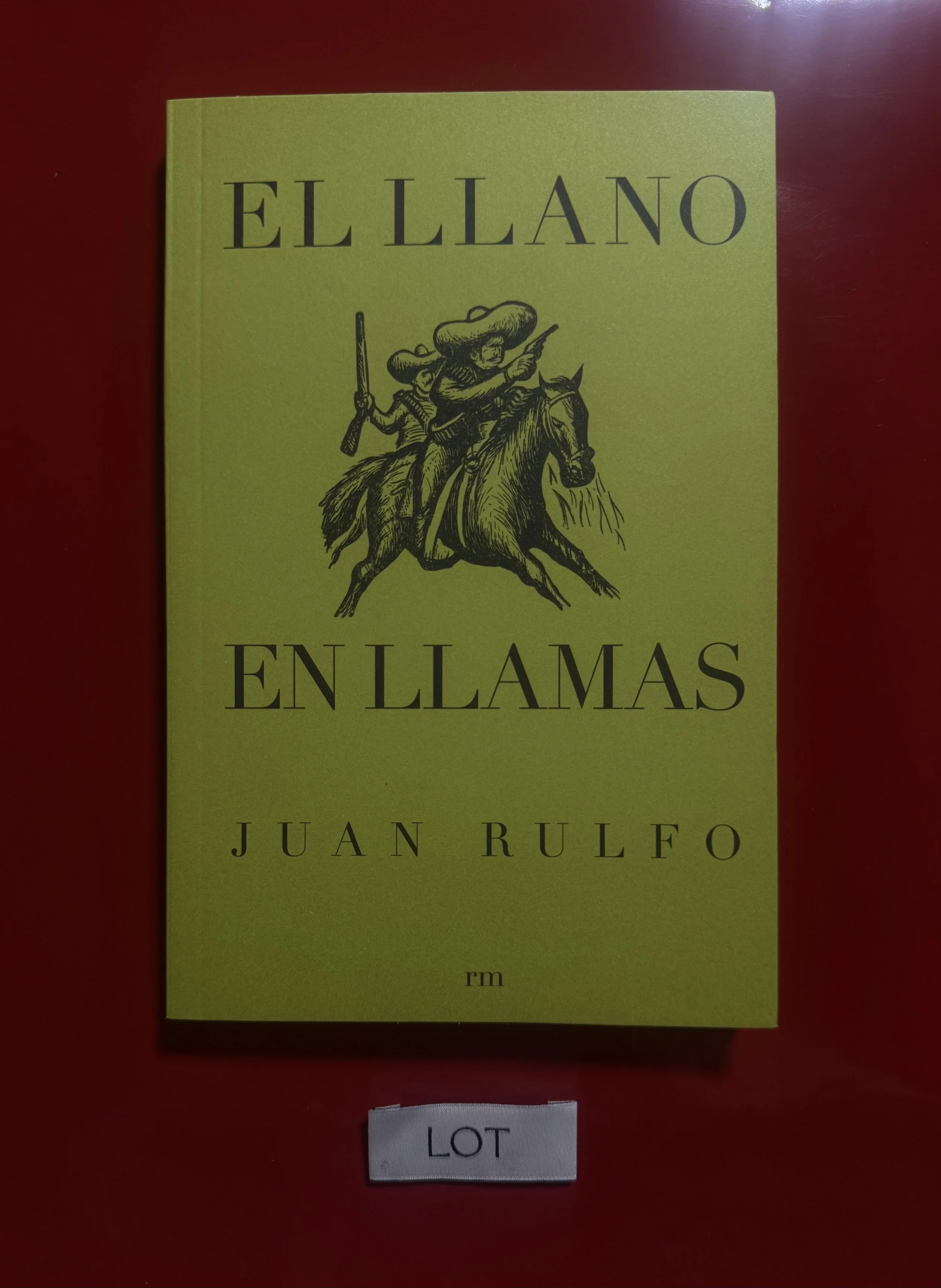
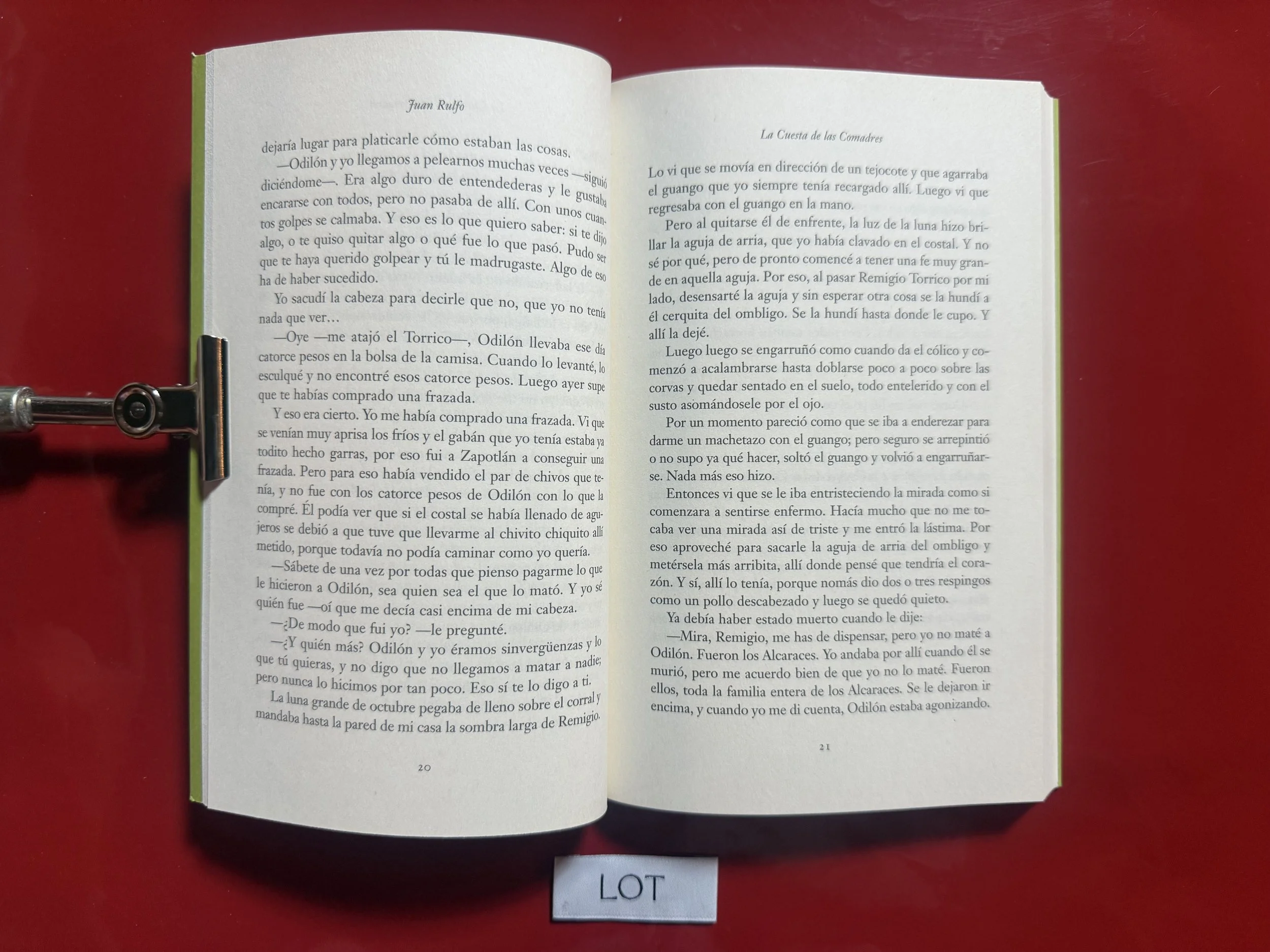
This collection contains 17 stories published by Rulfo beginning in 1945, when “Nos han dado la tierra” appeared in the literary reviews América and Pan. Thanks to a first grant from the Centro Mexicano de Escritores, Rulfo was able to finish eight more stories, which appeared with those already published under the general title of El Llano en llamas (The Burning Plain)
Book in Spanish, Out of Print, Last Copy
Paperback, 5.5 x 8.25 in. / 174 pgs.
November 2005 ISBN 9788493442613
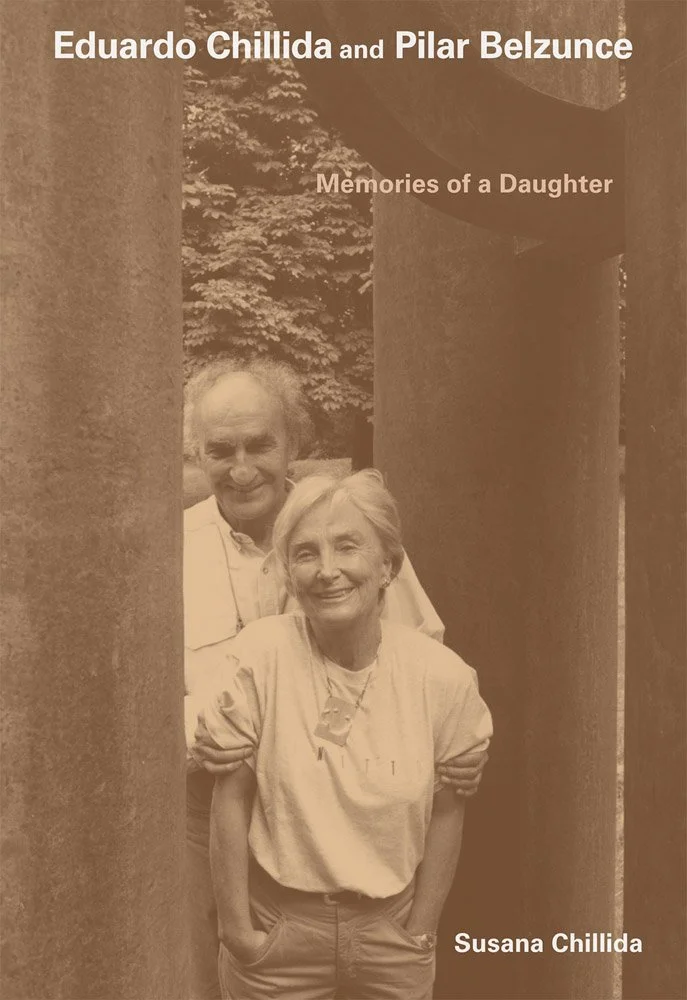
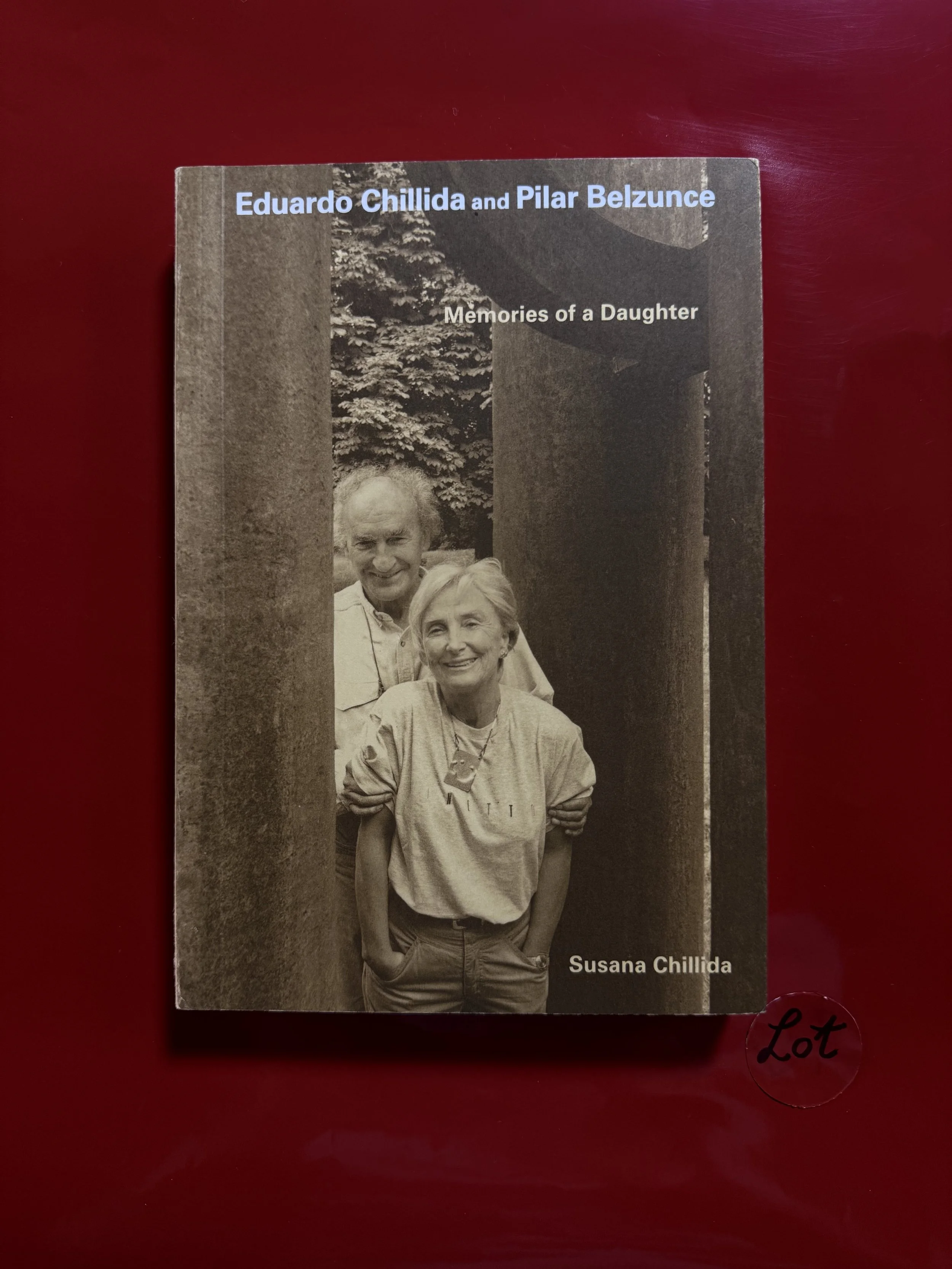
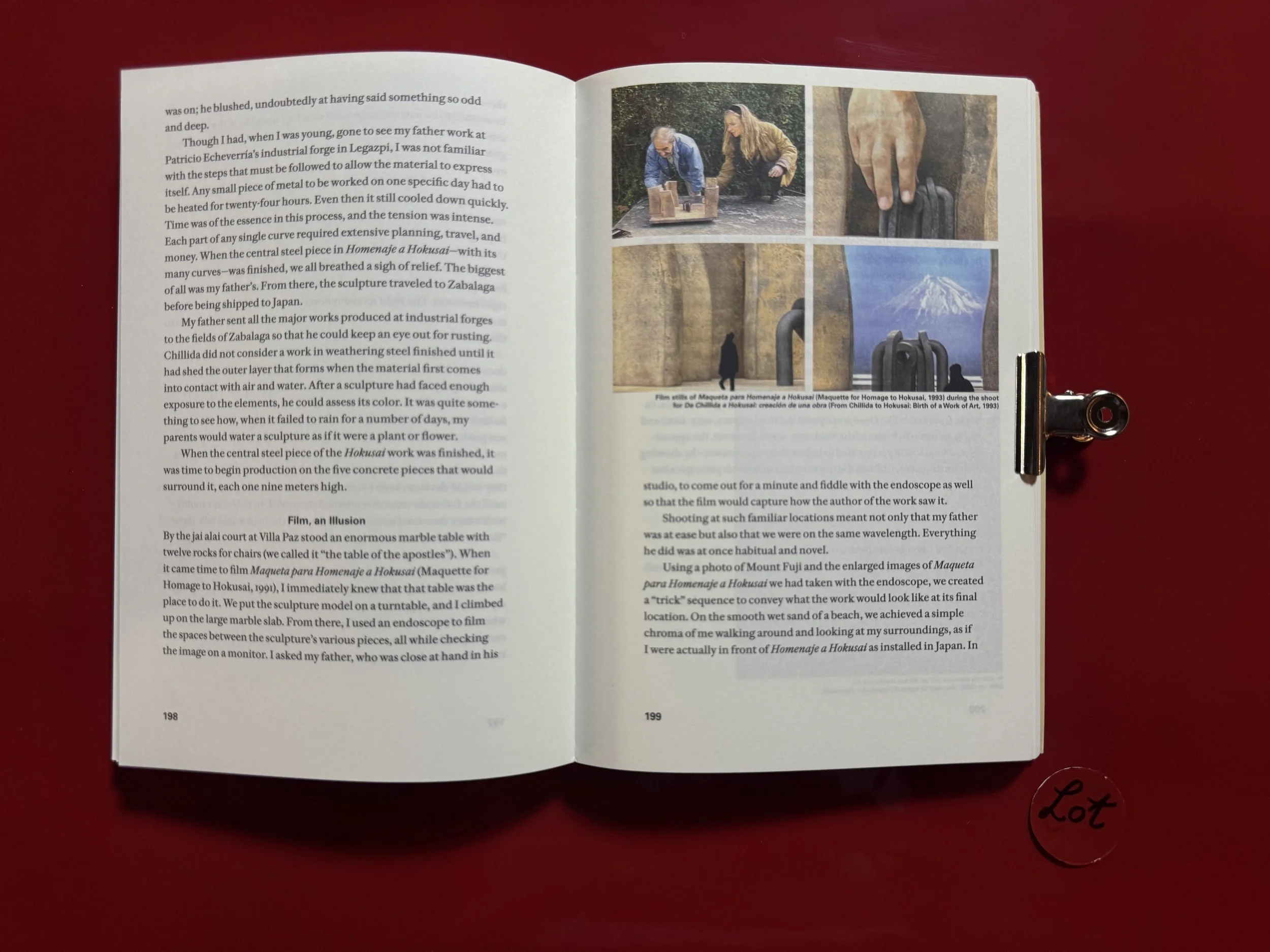
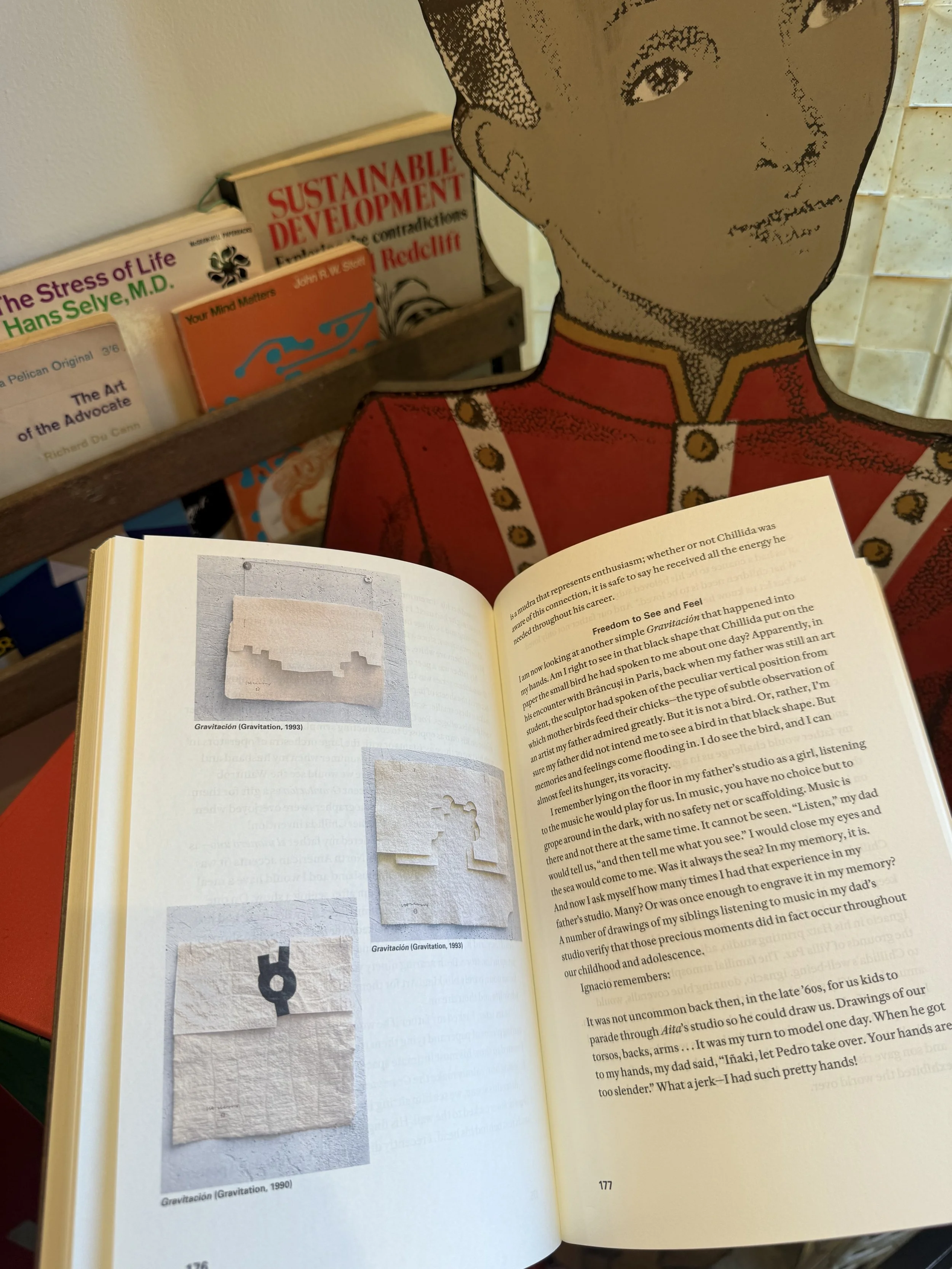
San Sebastián, Spain, 1939. A young Eduardo Chillida mustered the courage to ask a girl, Pilar Belzunce, to the movies. They married eleven years later and remained together for the rest of their lives, as Eduardo, supported by Pilar, developed an artistic practice that would earn international acclaim. In this memoir, their daughter—author and filmmaker Susana Chillida— draws an intimate portrait of the couple’s world, offering insight into their professional, social, and family life. Eduardo is captured not only as a pioneering artist and incisive thinker but also as a husband and a father, while Pilar is shown to be a woman and mother ahead of her time, as well as the “pillar” of Chillida’s life and work.
Both an extraordinary glimpse into the life of a visionary artist and a deeply personal remembrance, this book is, in Susana Chillida’s words, “a love story. A family story. And a story of the love of art.”
ISBN 9783906915951
Pbk, 6 x 9.25 in. / 288pp
November 2024
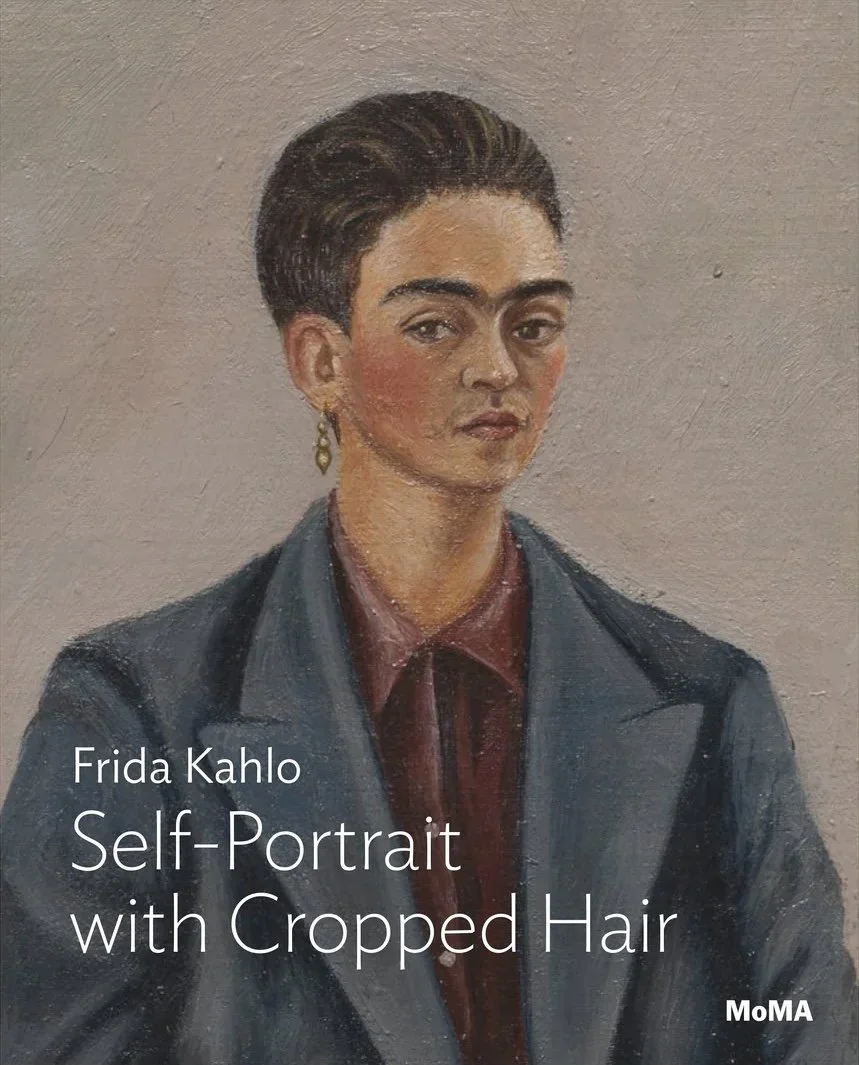
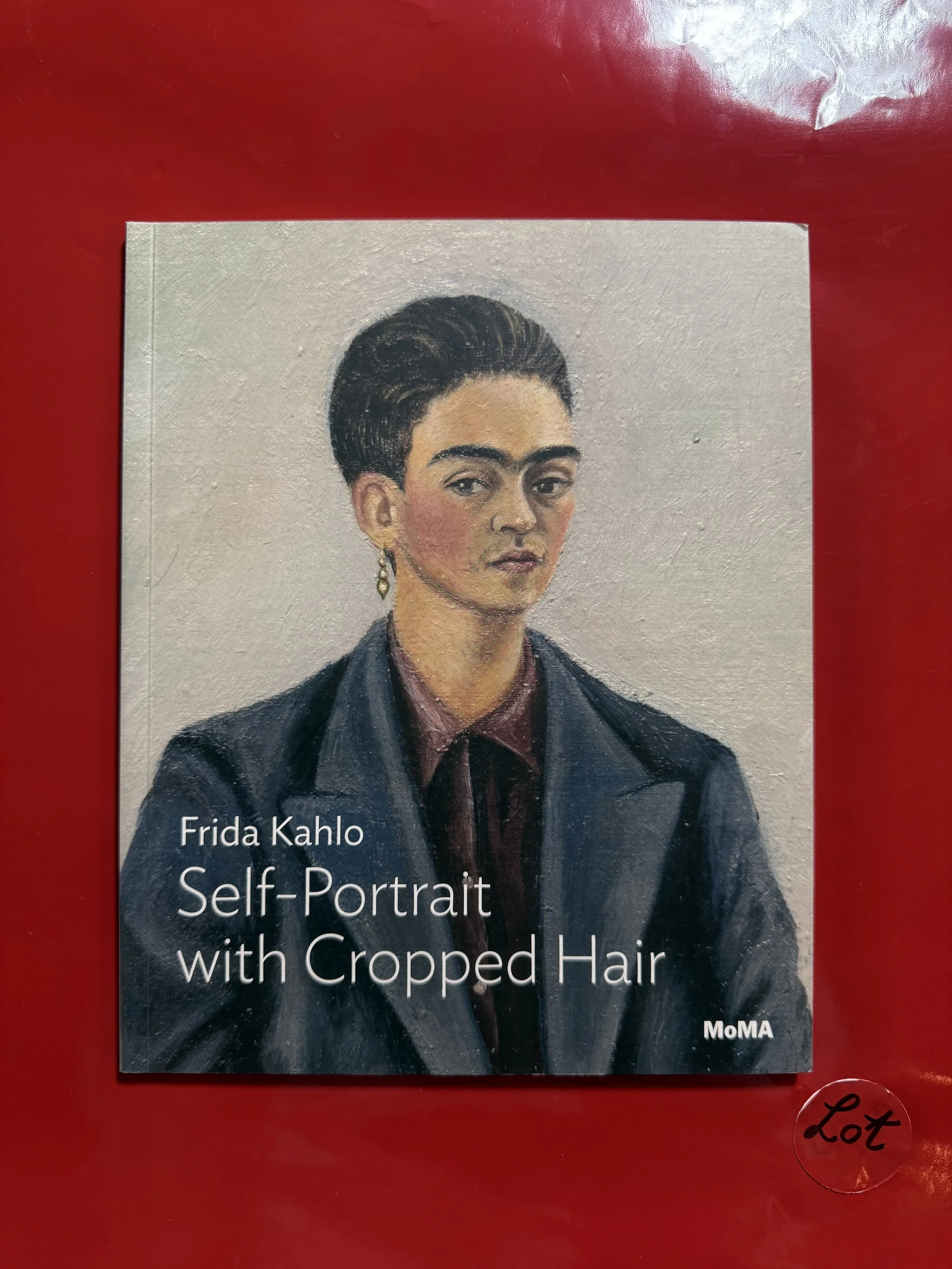
In conversation with Kahlo’s feminine attributes with which she often depicted herself—such as traditional embroidered Tehuana dresses or flowers in her hair—and instead sports a loose-fitting man’s suit and short-clipped haircut. Her high-heeled shoes and one dangling earring remain, however, along with her characteristic penetrating outward gaze. Locks of hair are strewn across the floor, a severed braid lies next to her chair, and the artist holds a pair of scissors across her lap. This androgynous persona may refer to Kahlo’s own bisexuality, while the lyrics of a popular Mexican song that appear at top suggest the address of a lover: “Look, if I loved you it was because of your hair. Now that you are without hair, I don’t love you anymore.”
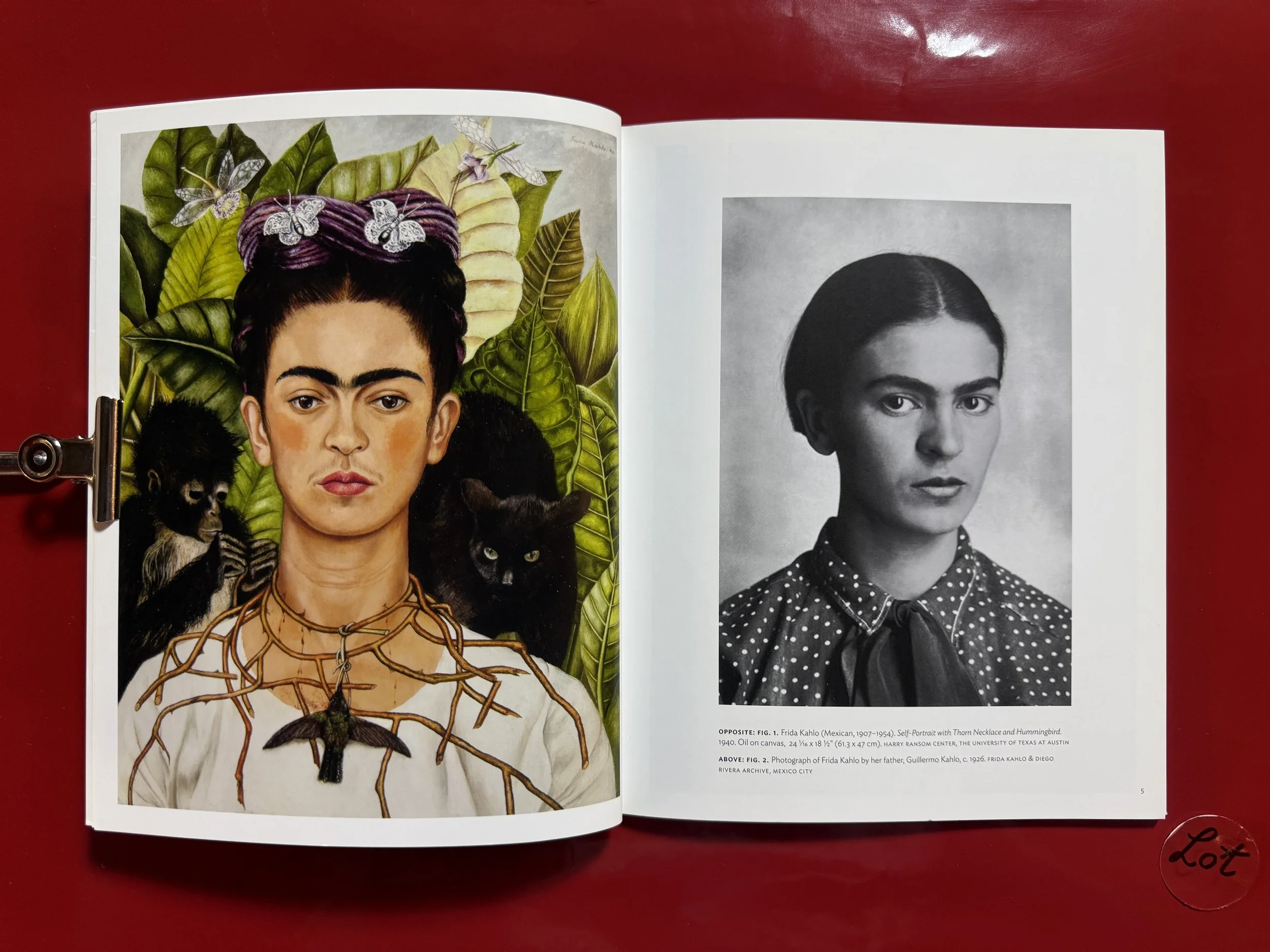
Personal isolation—its pain and its strength—is a recurring force across the sixty self-portraits Kahlo painted in her career and for which she became celebrated. “I paint self-portraits because I am so often alone,” Kahlo once explained, “because I am the person I know best.”
7.25w x 9"h
48pp, published by MoMA
August 2019