This is a 2021 reprint of 'A Magazine curated by MAISON MARTIN MARGIELA' published in 2004.
This limited edition reprint commemorates the 20th anniversary of A Magazine, founded in 2001, and contains the same content as the first edition. You can appreciate Maison Martin Margiela's working methods, including the brand's philosophy such as Dadaism and deconstructionism, and behind-the-scenes stories.
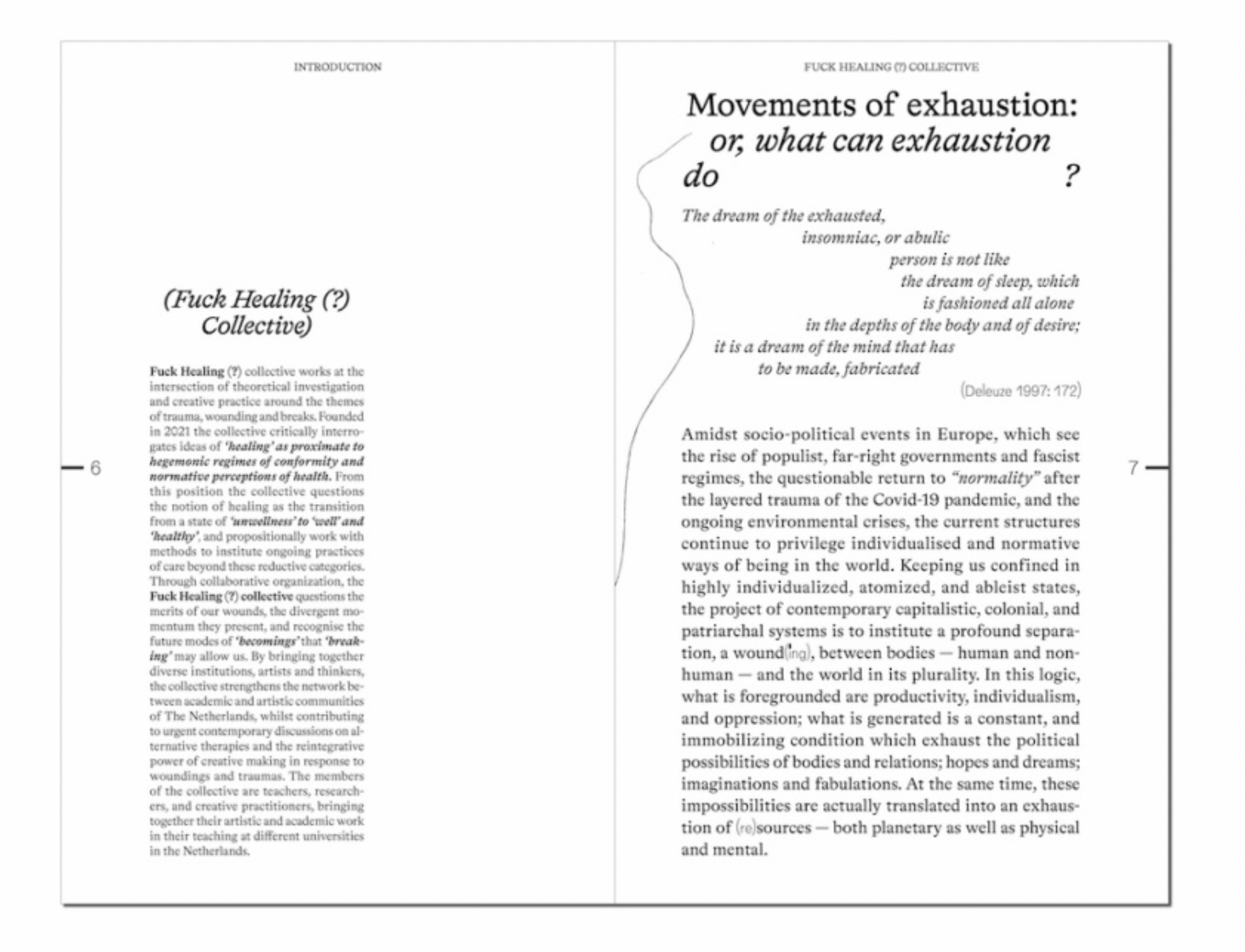
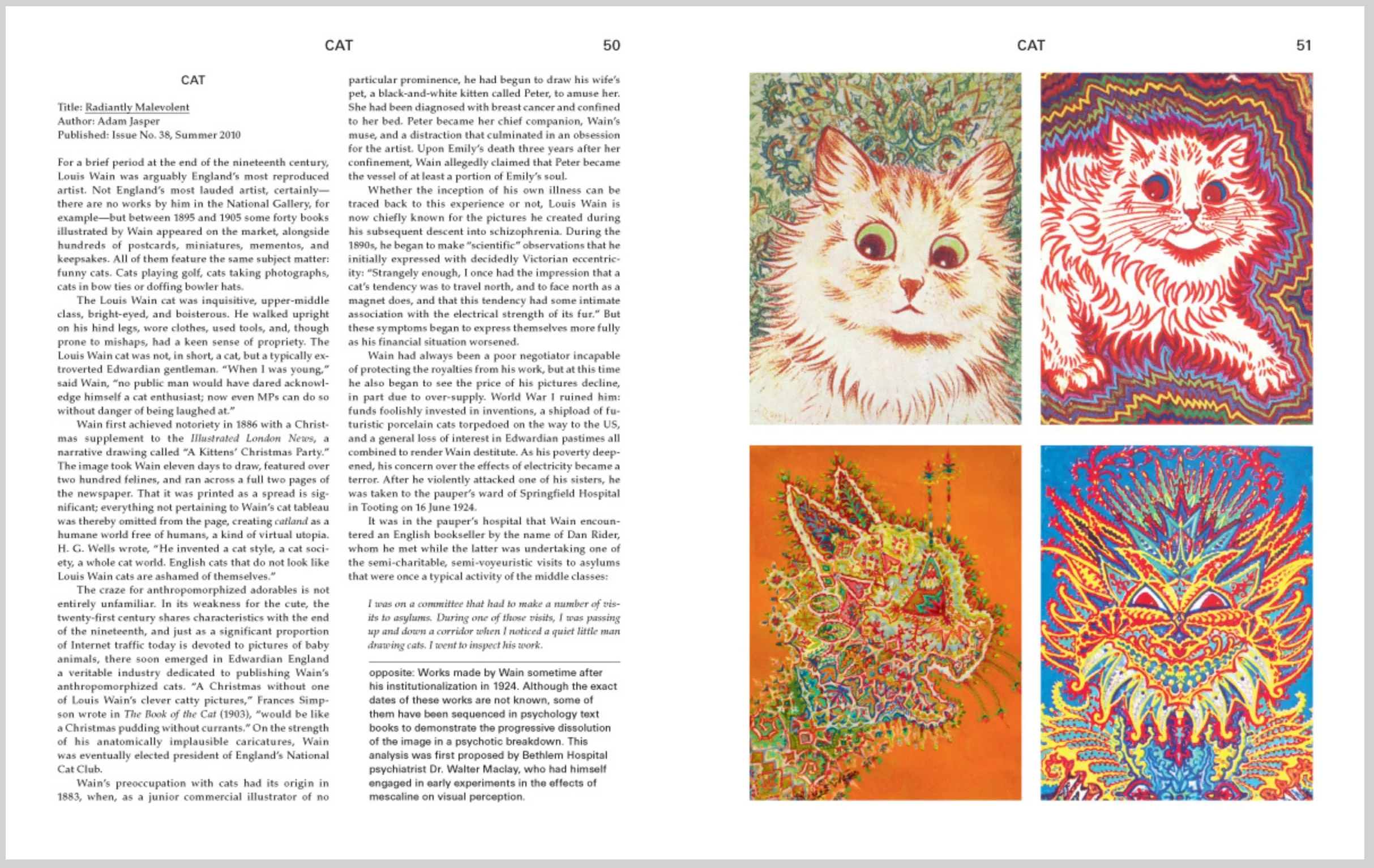
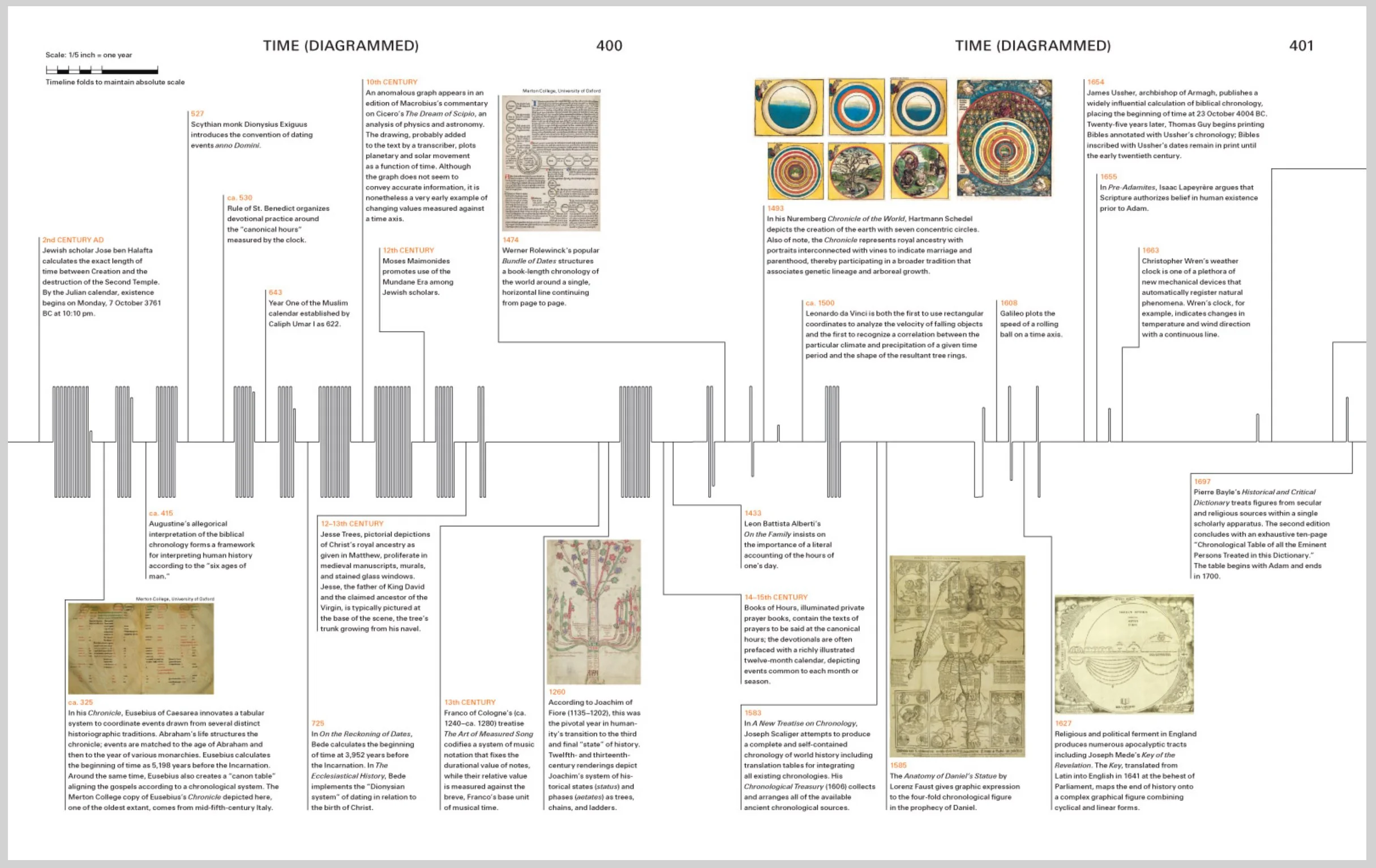
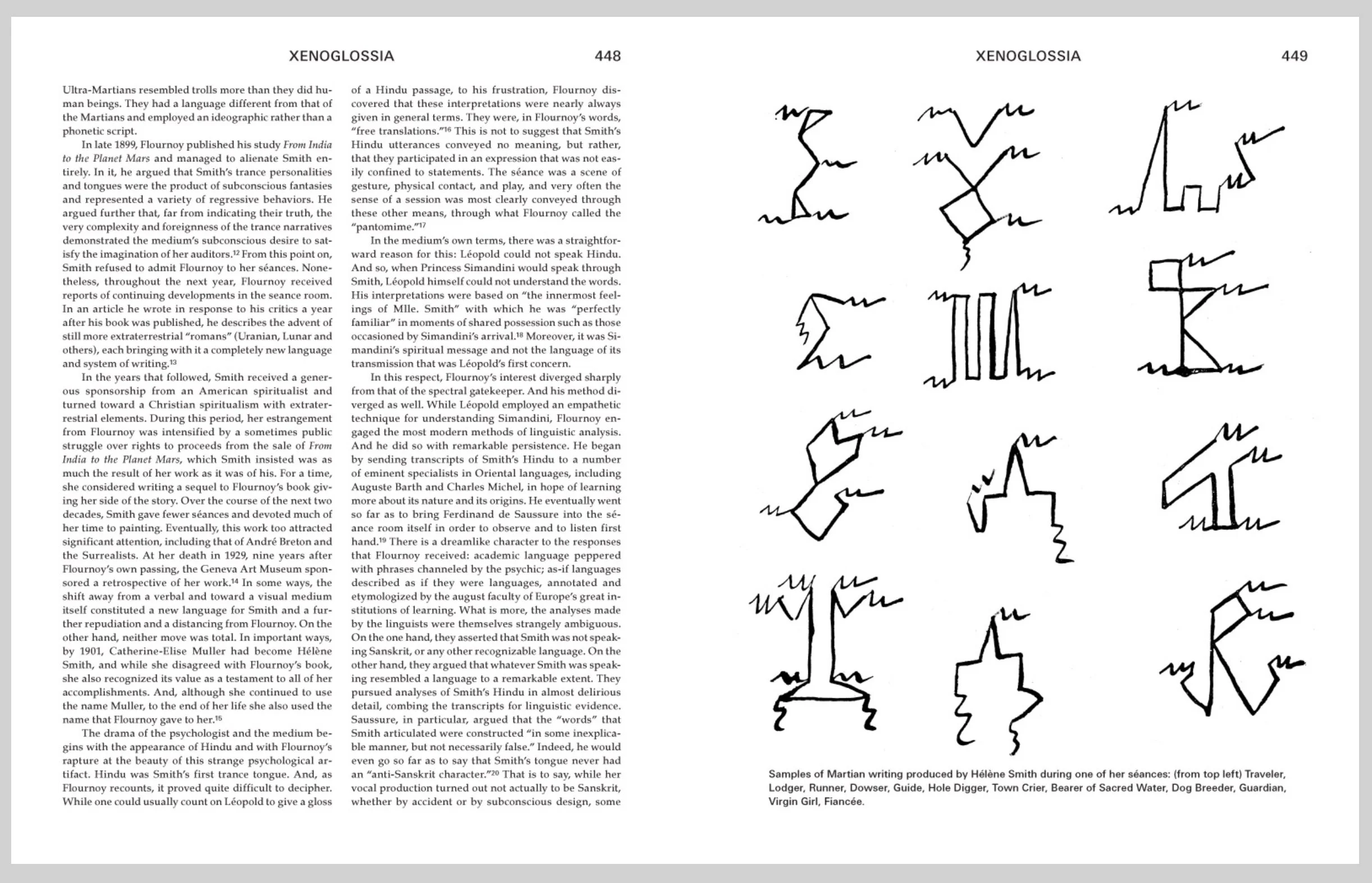
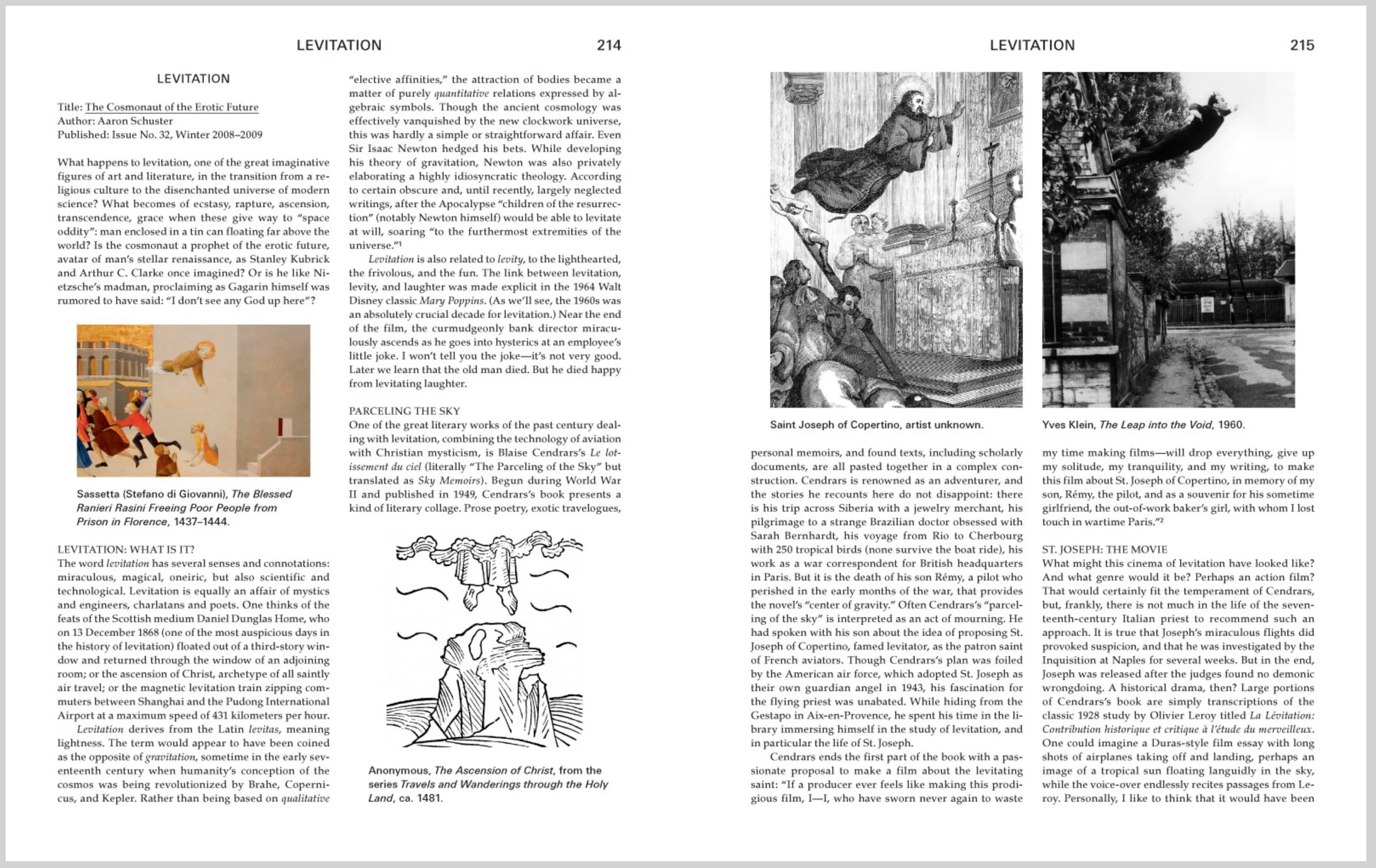
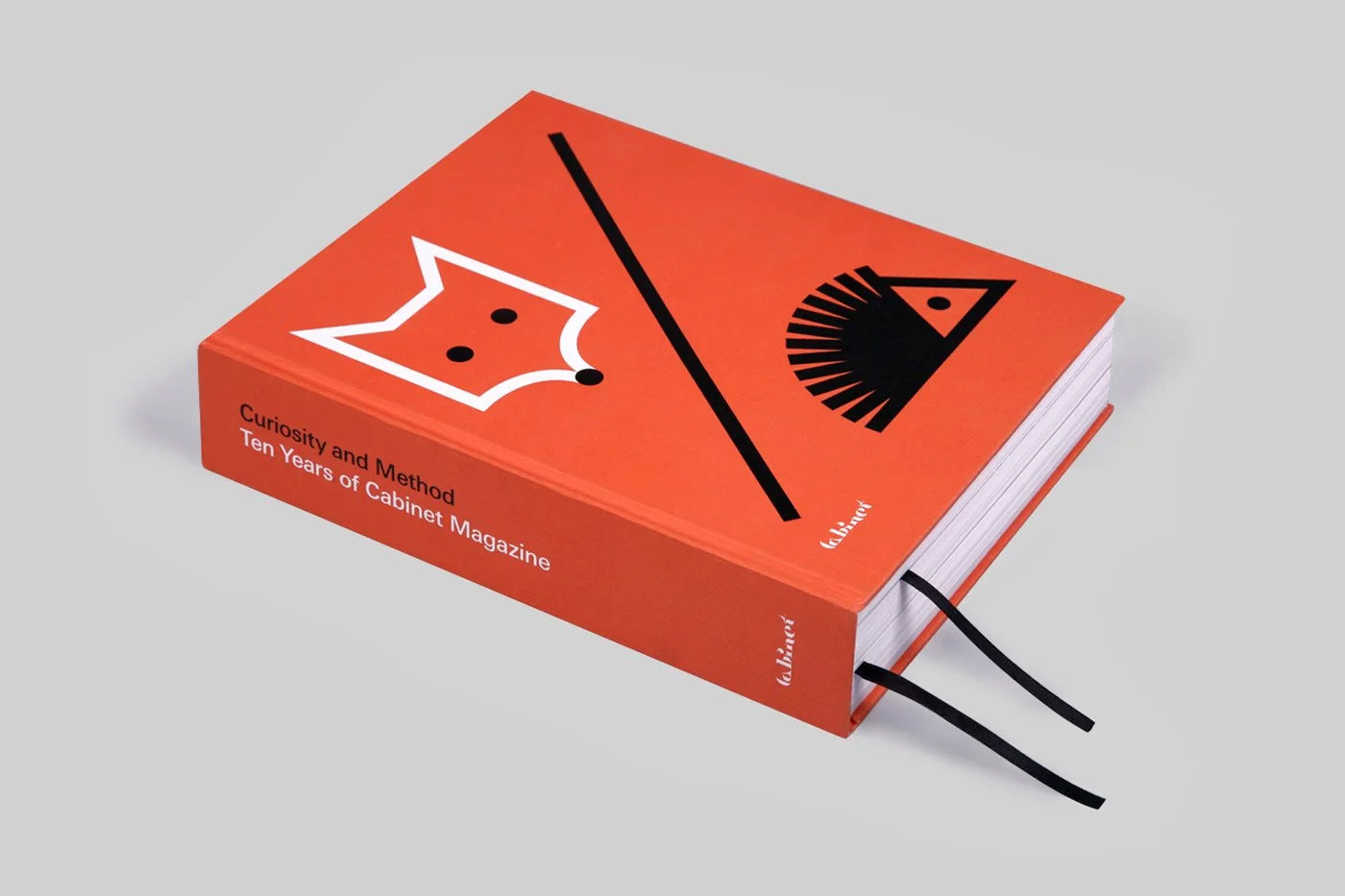
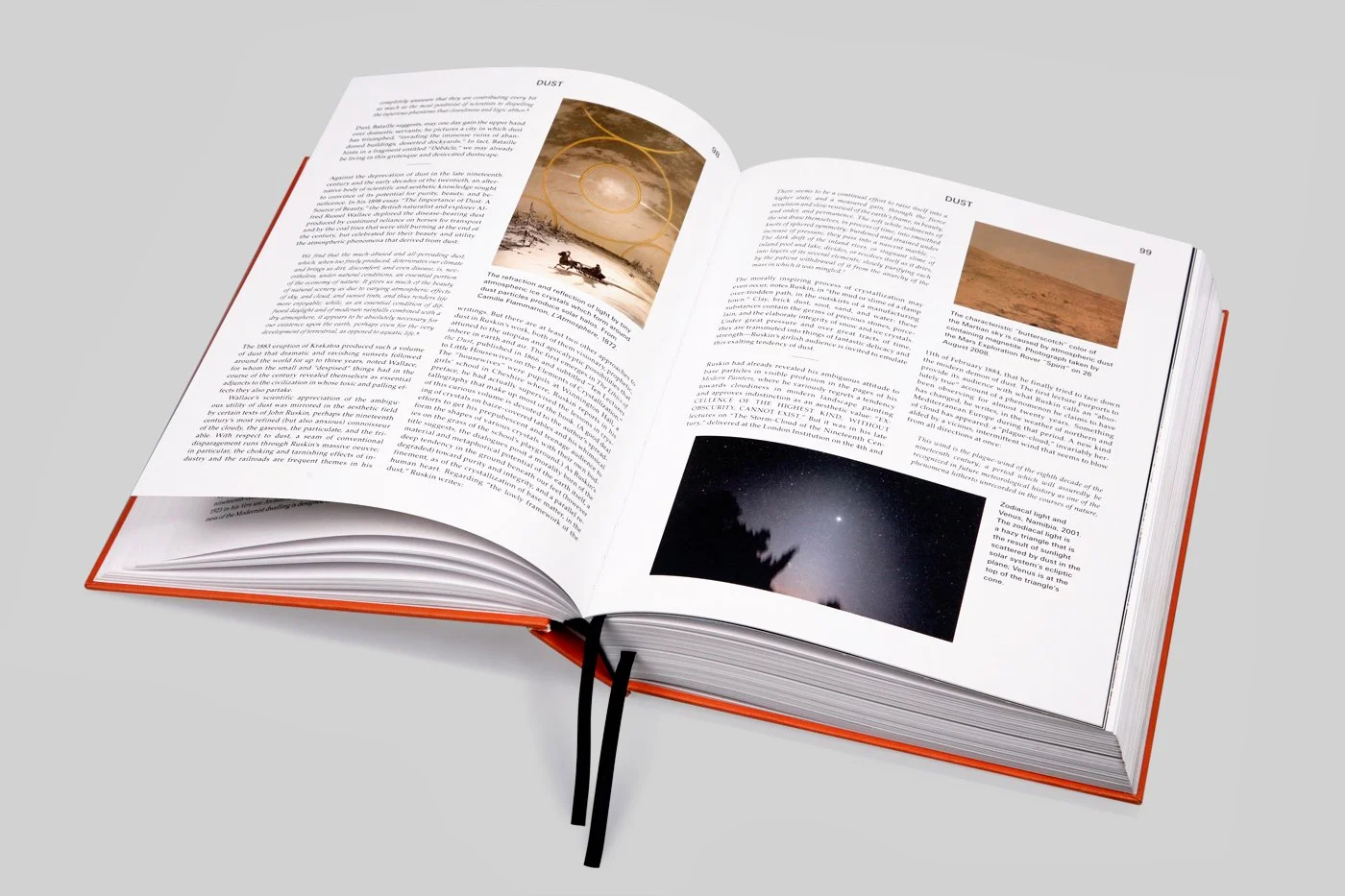
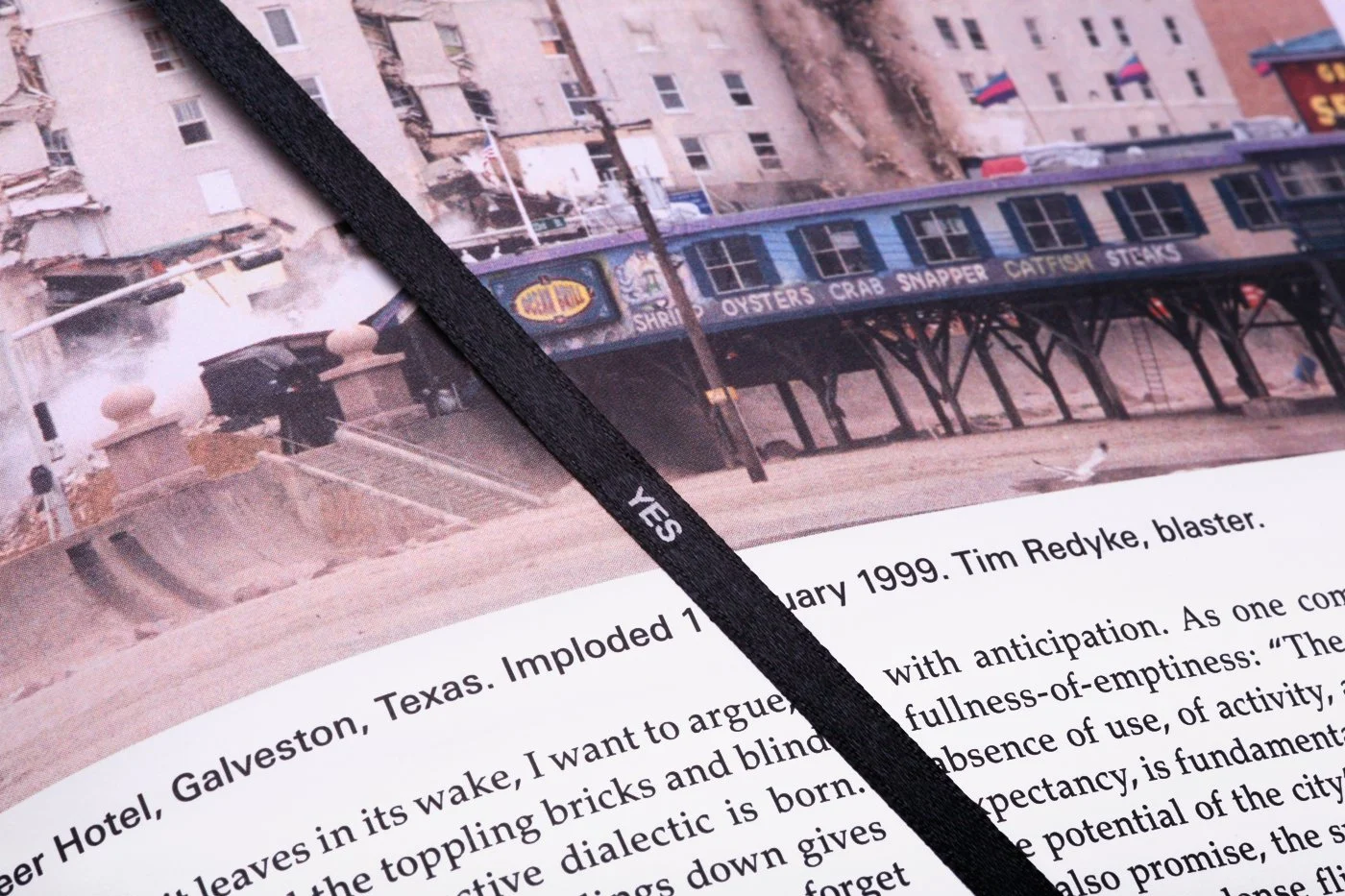
This anthology gathers some of the most interesting successes, and a few instructive failures, published in the first forty issues of Cabinet. Taking the form of an illustrated encyclopedia, the collection includes idiosyncratic entries such as Addiction, Animal Architecture, Goalkeeping, Micronation, Otolith, Sandal, Worlding, and Zoosemiotics. This hardcover book is over 500 pages long and a must for the intellectually curious!
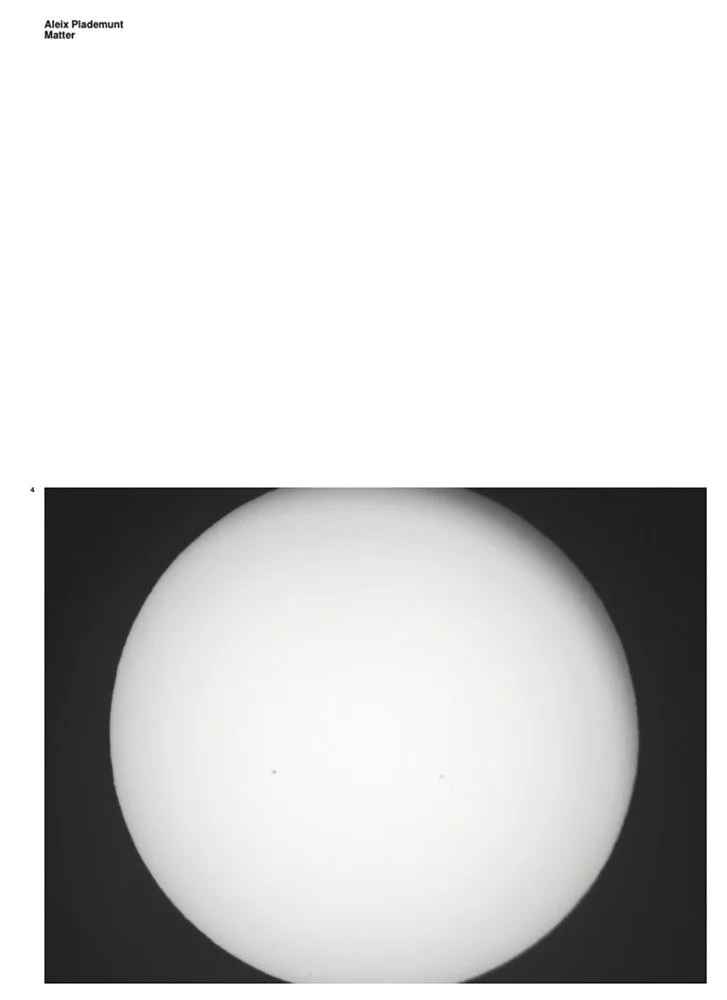
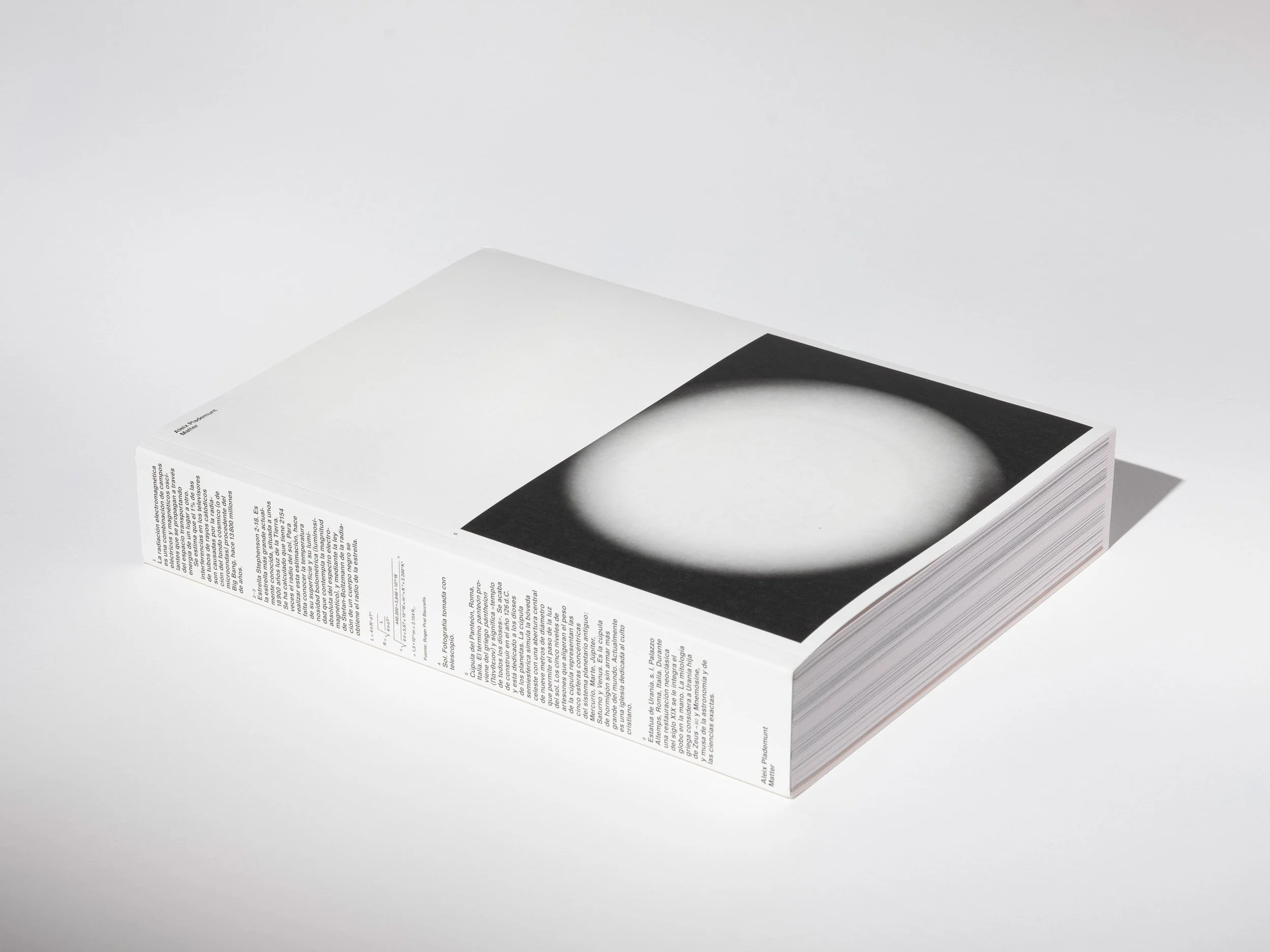
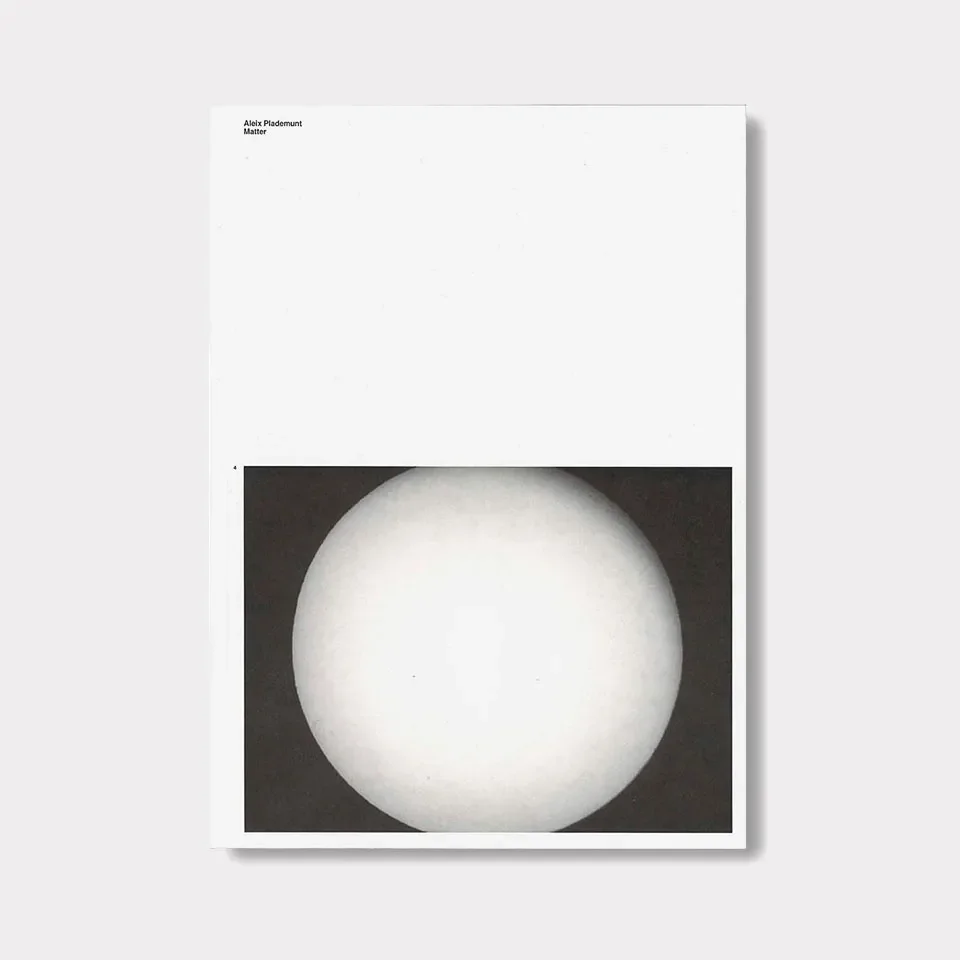
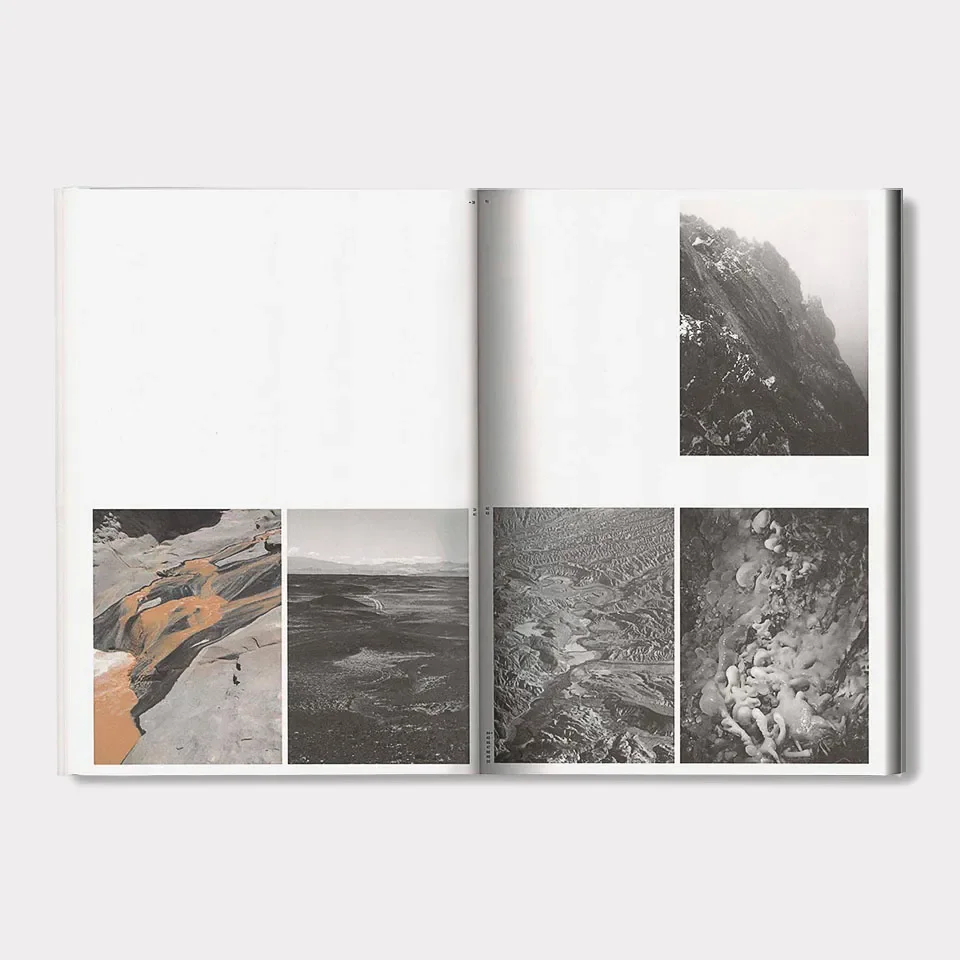
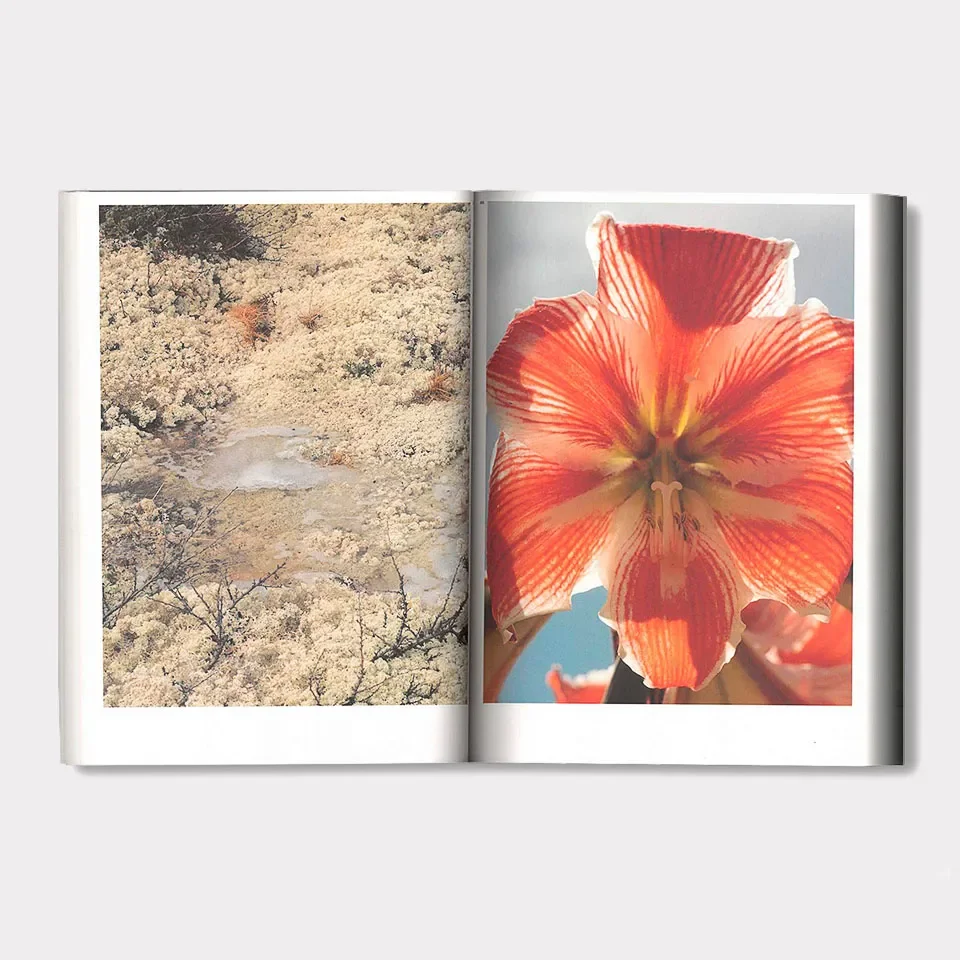
A photographic examination of matter as the basis of life
This book chronicles the most extensive photographic project to date from Spanish photographer Aleix Plademunt (born 1980). Started in 2013, Matter addresses the age-old question of our existence by delving into the foundation of all life: matter.
https://aleixplademunt.com/Matter
“Best book design from all over the world”. Stiftung Buchkunst
“The most beautiful Swiss book of the year”. Swiss culture awards
“Mejor libro de fotografía del año 2022”. PhotoEspaña
Silver plate. Deutscher Fotobuchpreis
Paperback, 8.75 x 12.25 in. / 640 pgs / 40 color / 560 bw.
May 2023 ISBN 9783959055758
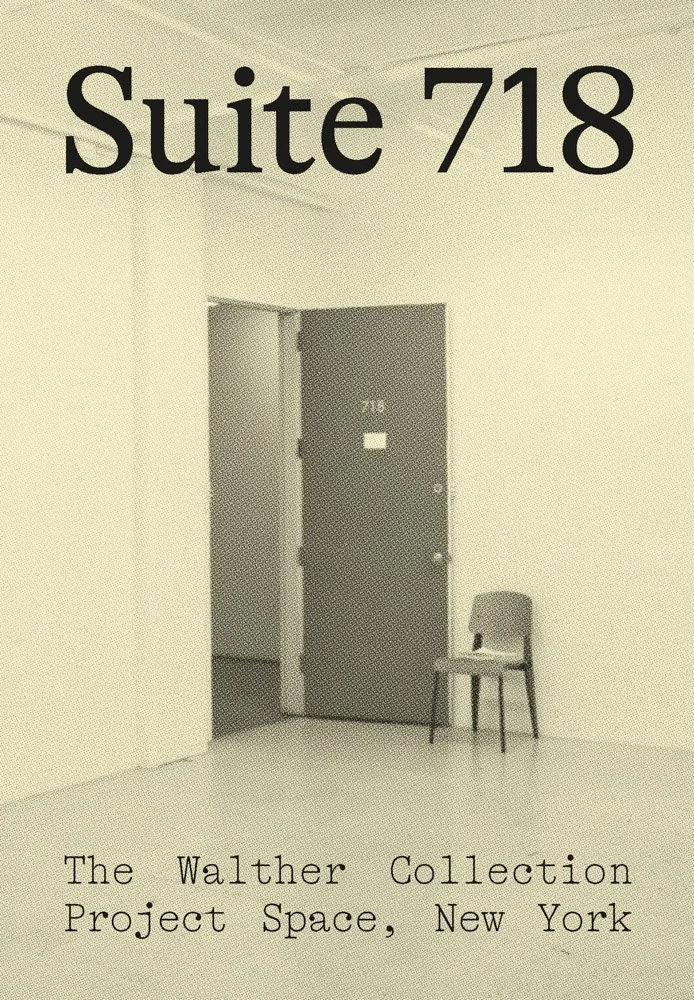
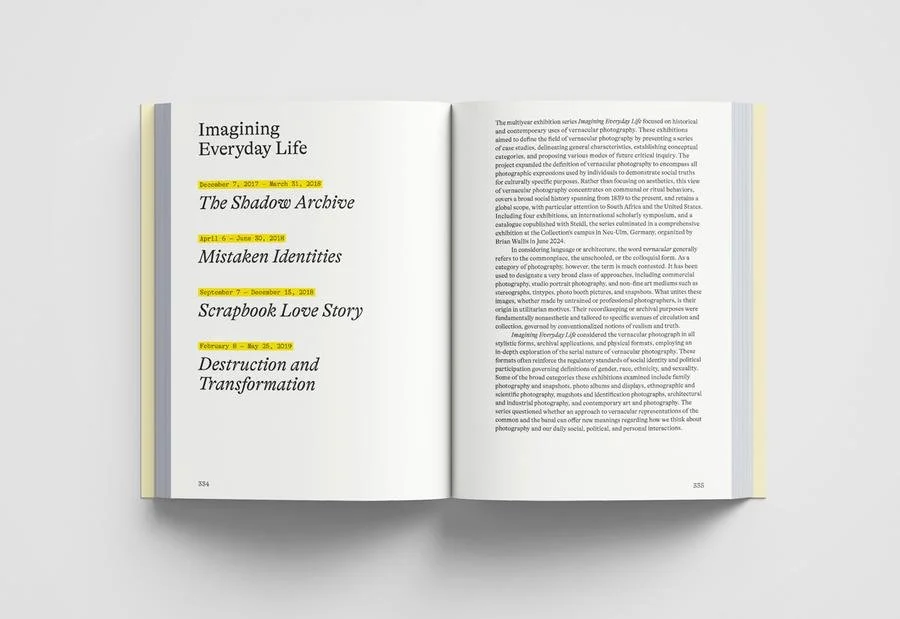
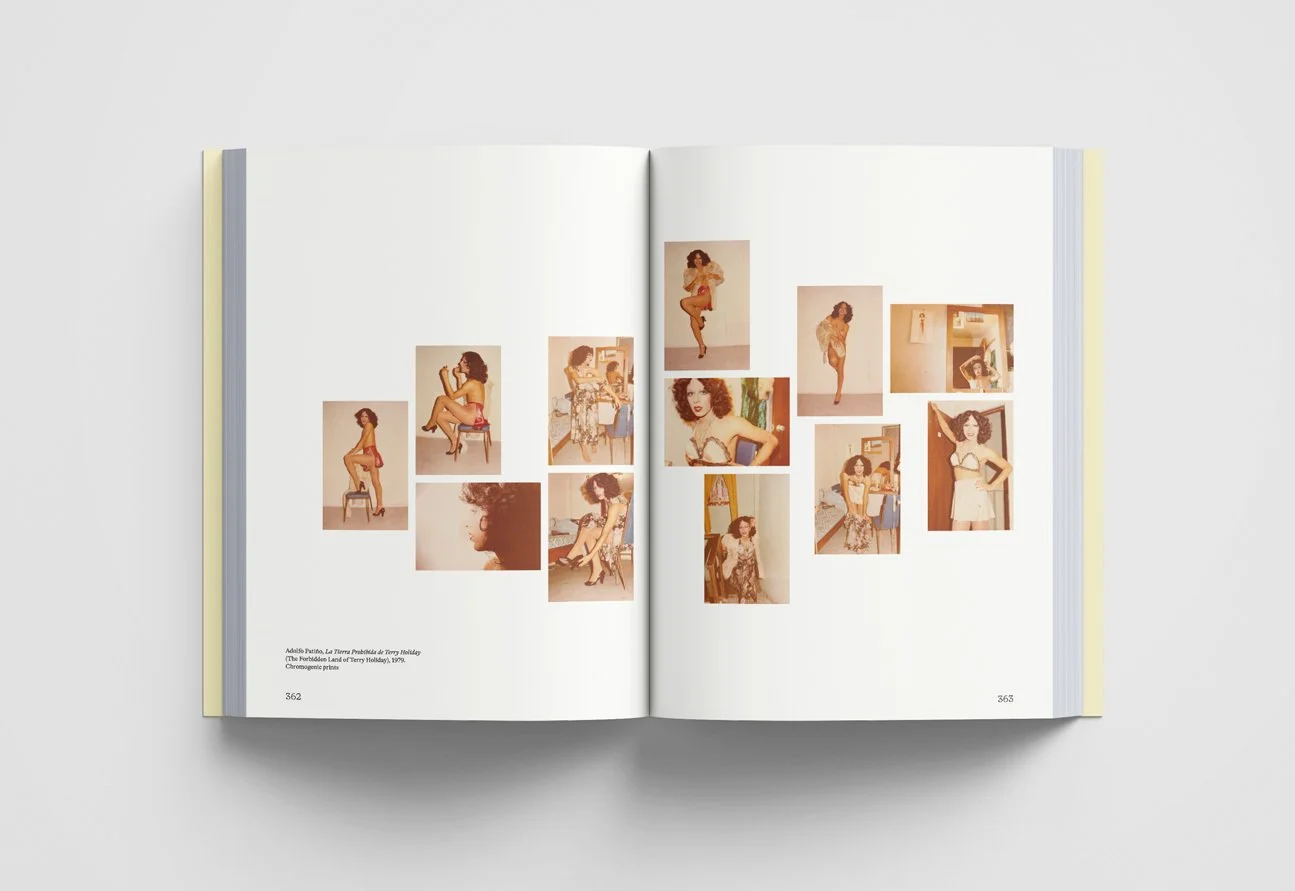
The Walther Collection is a private art collection and foundation dedicated to contemporary photography and lens-based art.
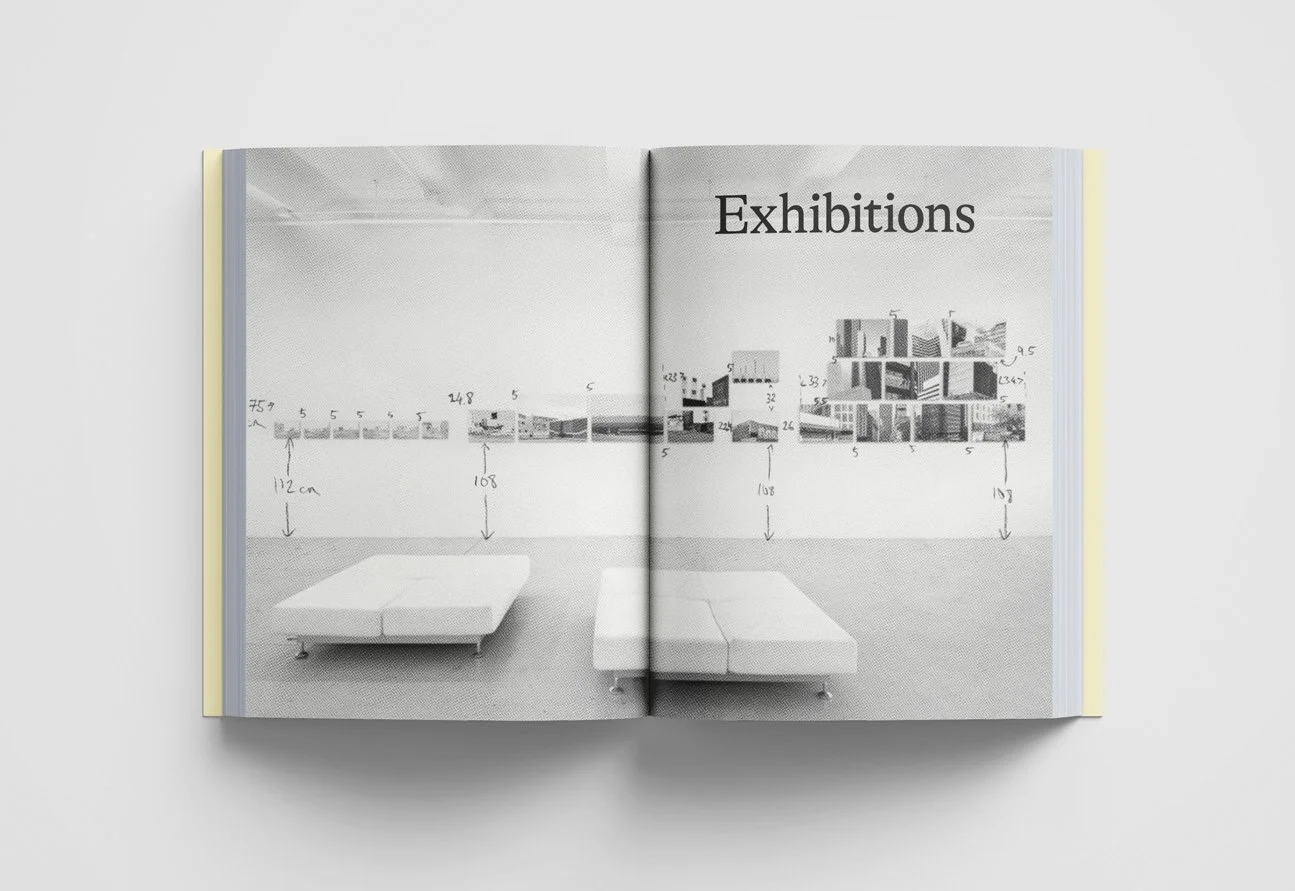
A large-format paperback presenting an extensive history of the Walther Collection, complete with a select illustrated chronology and overview of the collection’s 53 exhibitions and 18 publications.
Inside the Walther Collection’s project space in downtown Chelsea and its role as a workshop, research center and forum for contemporary photography.
Paperback, 6.75 x 9.75 in. / 480 pgs / 312 color / 185 bw.
December 2025 ISBN 9783969994283
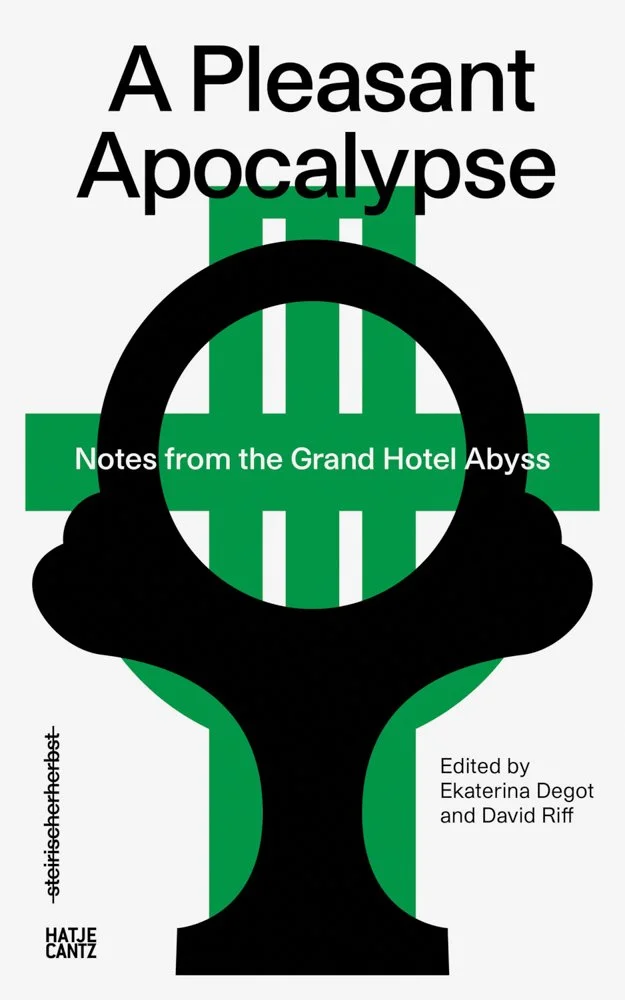
The 52nd edition of steirischer herbst, a major interdisciplinary festival of contemporary art in Graz and Styria, Austria, delved deep into the disruptive contradictions and uncanny charms of Hapsburgian Europe and their relevance for the rest of the world. In a three-week-long expanded exhibition of installations, performance works, and discursive events, the festival’s 2019 edition focused on the tension between pleasure and catastrophe in the culinary and aesthetic pleasure zones of our day. Its title was Grand Hotel Abyss—a striking turn of phrase used by philosopher Georg Lukács to describe the European intellectual and cultural scene as it faced the approach of fascism.
A Pleasant Apocalypse: Notes from the Grand Hotel Abyss is the title of the accompanying reader, published by Hatje Cantz this spring. Richly illustrated with full-color images of artworks created for the festival, it gathers specially commissioned texts by philosophers, historians, writers, and artists, offering theoretical reflections and artistic insights into the structure of hedonism in ever-more apocalyptic times.
The book’s contributions tap into the unsettling histories and fascist substrates of seemingly idyllic settings and into the dialectical images of suffering and destruction consumed daily. They reveal how the neoliberal economy extracts surplus pleasure and trumpets the imperative to be happy, all the while generating images rehearsing the end of the world, images to be mistrusted, but never to be taken lightly. These are analyses, confessionals, polemics, and travelogues—contributions to an as-of-yet unwritten critical history of catastrophic pleasures and normalized transgressions.
A Pleasant Apocalypse: Notes from the Grand Hotel Abyss is introduced through a foreword by Ekaterina Degot and David Riff, and features contributions by Ariel Efraim Ashbel, Keti Chukhrov, Goran Ferčec, Riccardo Giacconi, Eva Illouz, Siegfried Kracauer, Stephan Lessenich, Daniel Mann, Marko Radmilovič, Aaron Schuster, Vladimir Sorokin, Hasso Spode, Michiel Vandevelde, Gernot Wieland, and Evan Calder Williams.
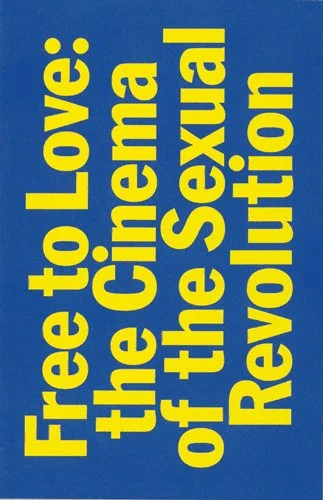
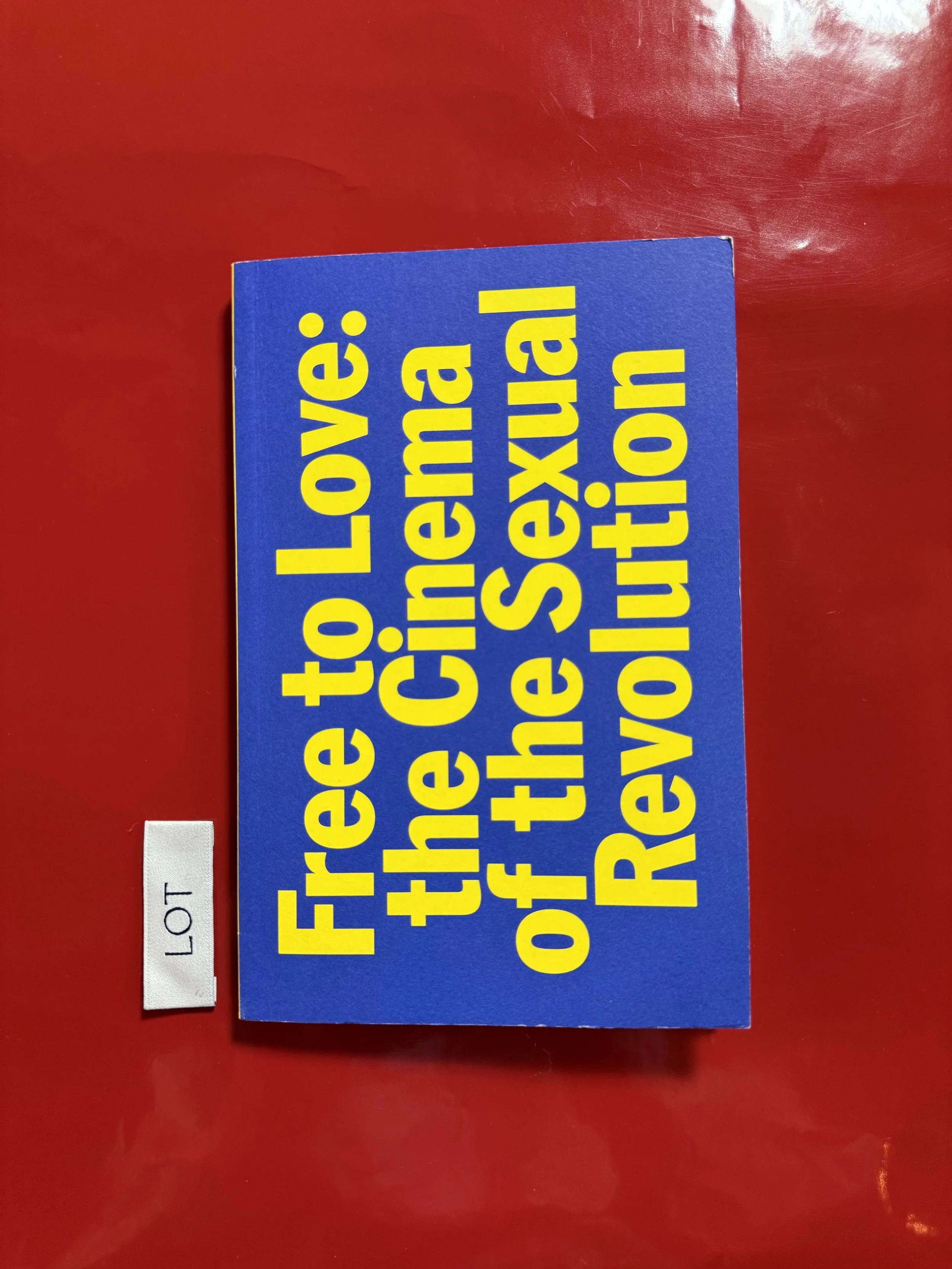
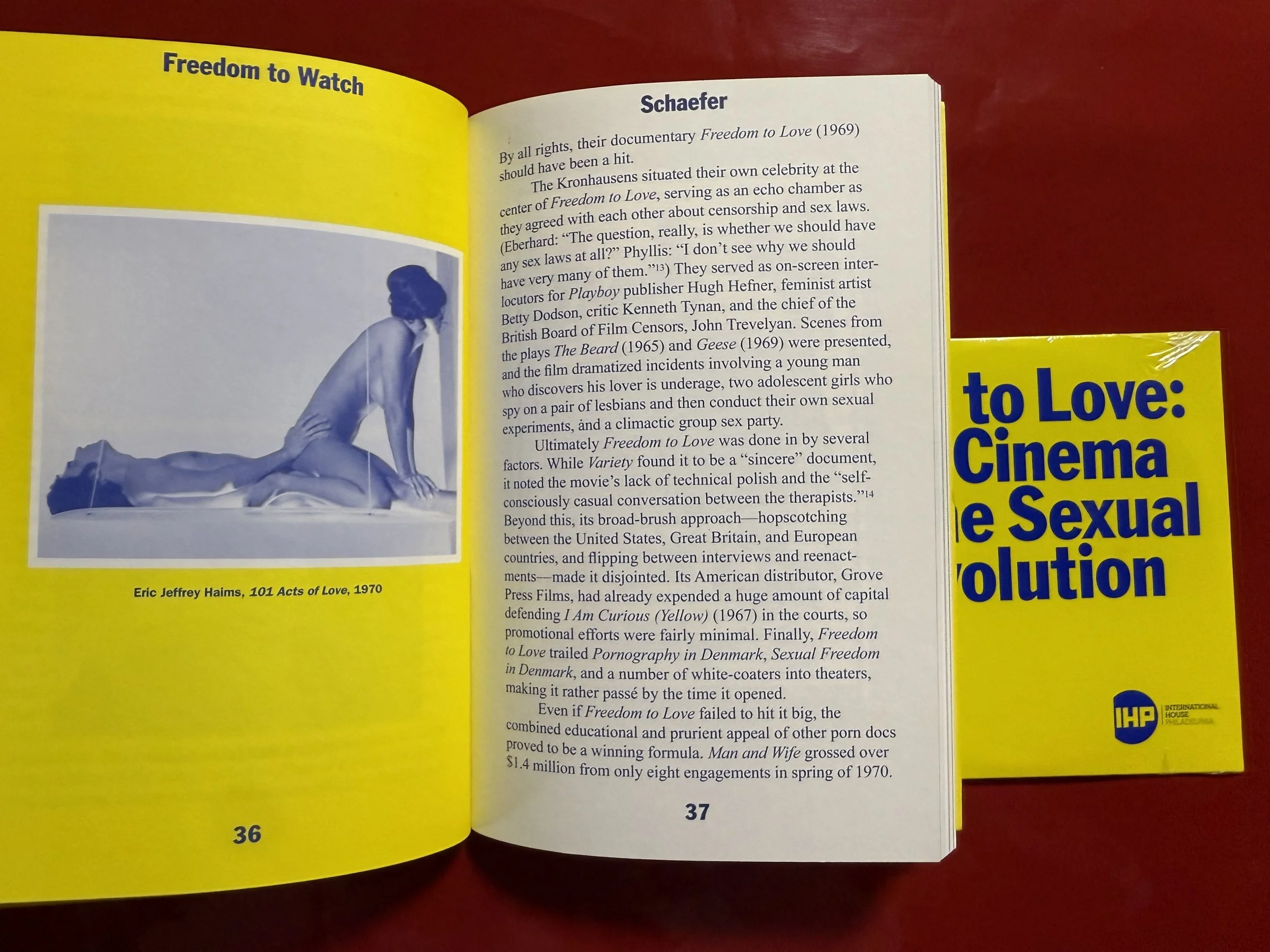
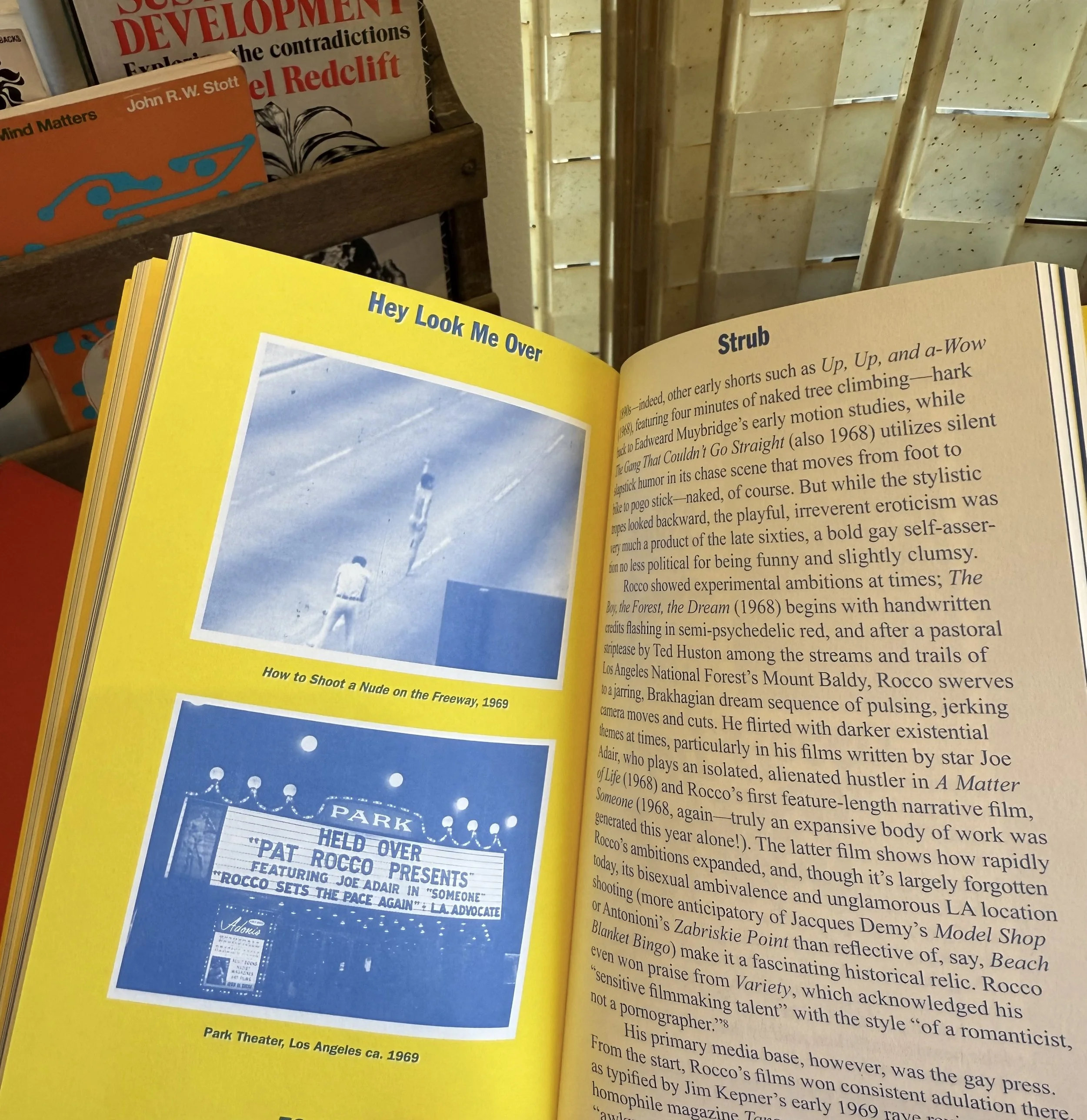
A collection of essays examining key works and individuals associated with the cinema of the sexual revolution.
Free to Love looks at a selection of films from the 1960s and 70s, both commercial and experimental, to investigate how issues surrounding sexual liberation and the undoing of censorship laws manifested themselves in moving-image art from around the world. While the sexual revolution cannot simply be viewed as one unified movement, its conflicts and contradictions inspired some of the most important films from this period, asserting sexual power in an era when "power to the people" was the motto. The essays examine key works and individuals associated with the cinema of the sexual revolution (Radley Metzger, Pat Rocco, Phyllis and Eberhard Kronhausen).
Book includes a DVD of three short films:Desire Pie (Lisa Crafts, 1976),A Quickie(Dirk Kortz, 1970) andNorien Ten(John Knoop, 1972). Also included is a discussion with A.K. Burns, Barbara Hammer, M.M. Serra and A.L. Steiner.
Paperback, 5.25 x 7.75 in. / 128 pgs / 47 duotone
ISBN 9780615934525 December 2014
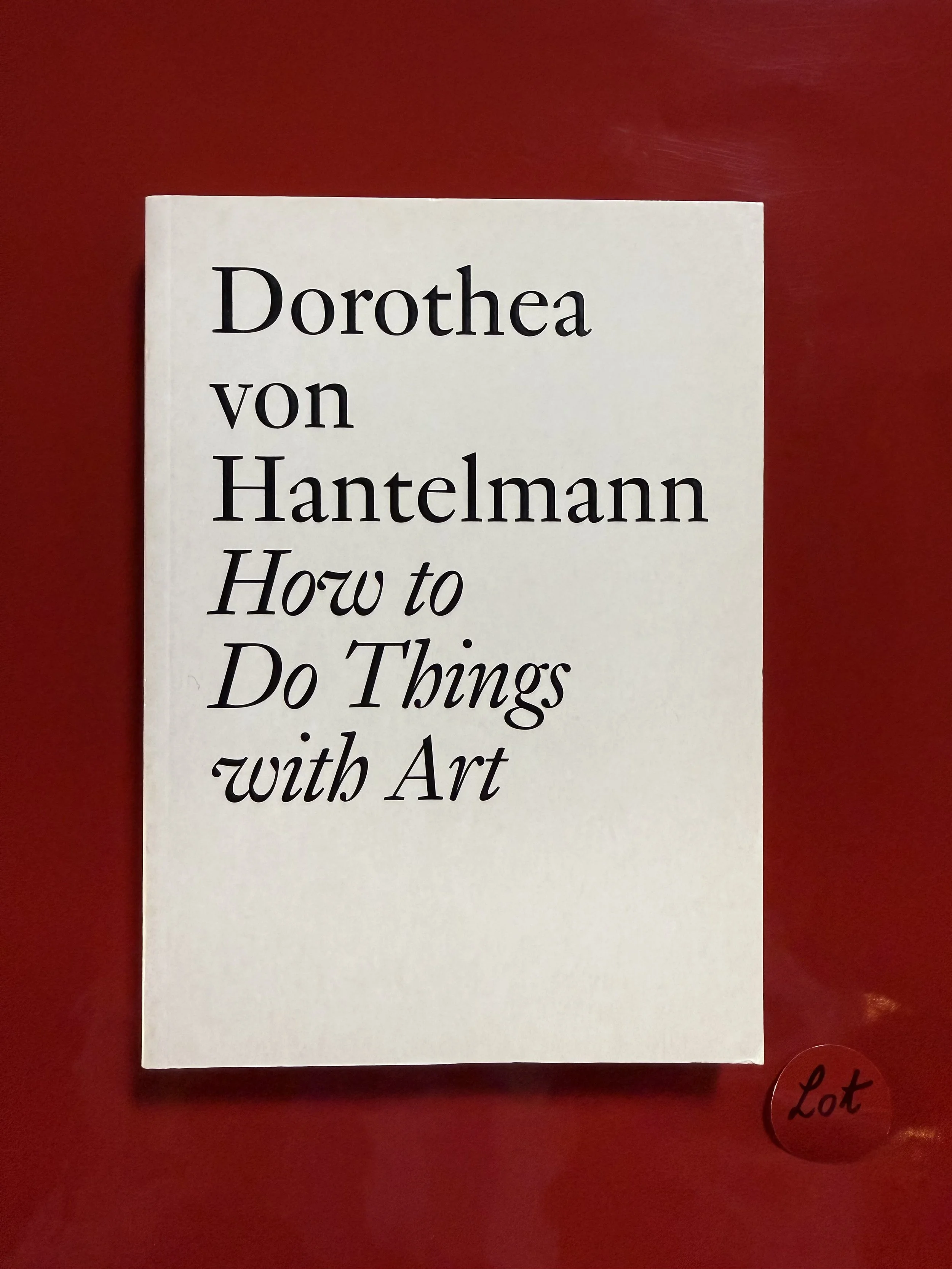
Art has never been as culturally and economically prominent as it is today.
How can artists themselves shape the social relevance and impact of their work?
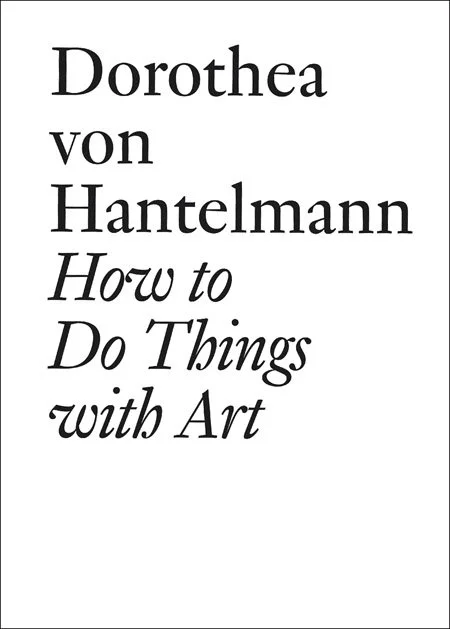
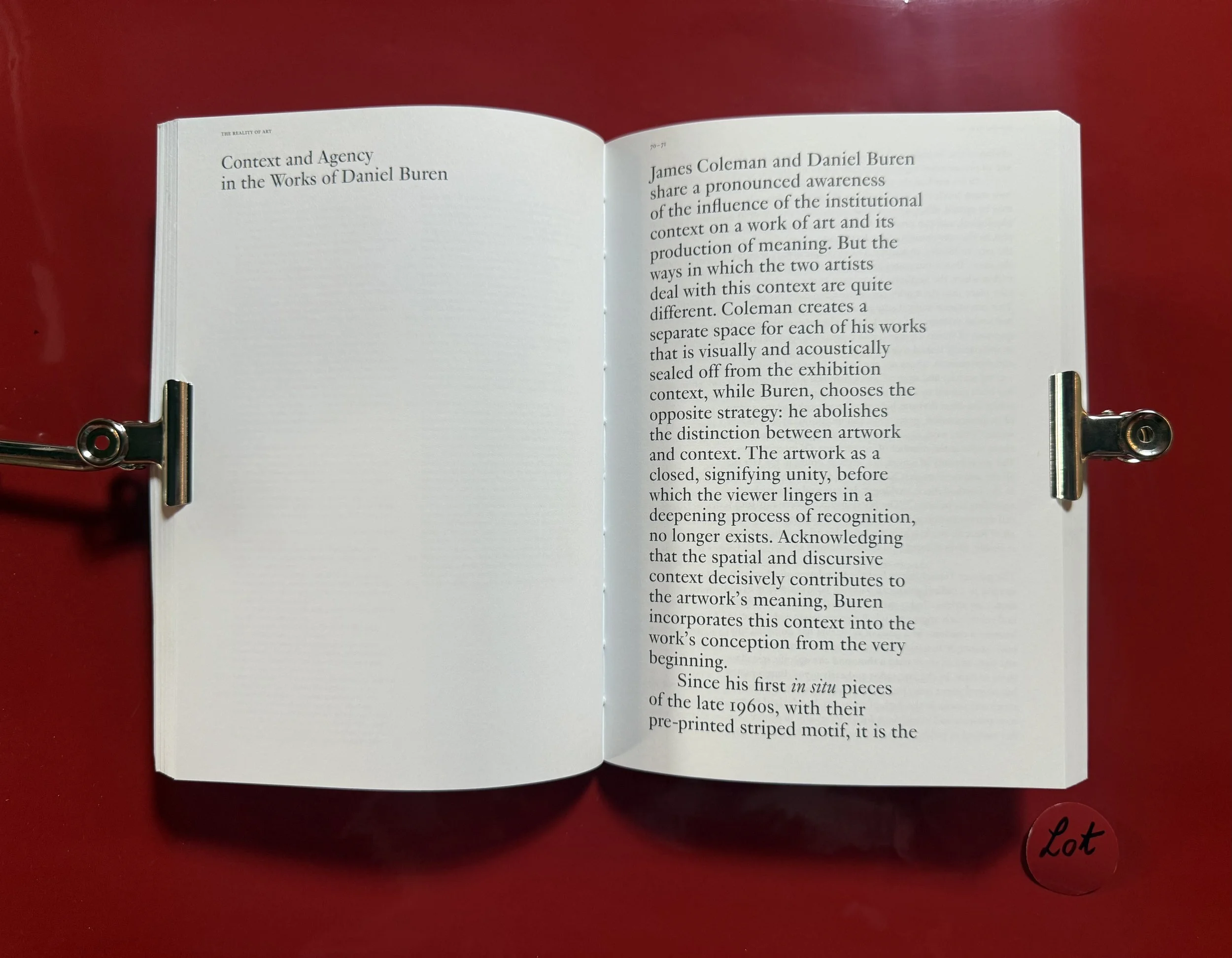
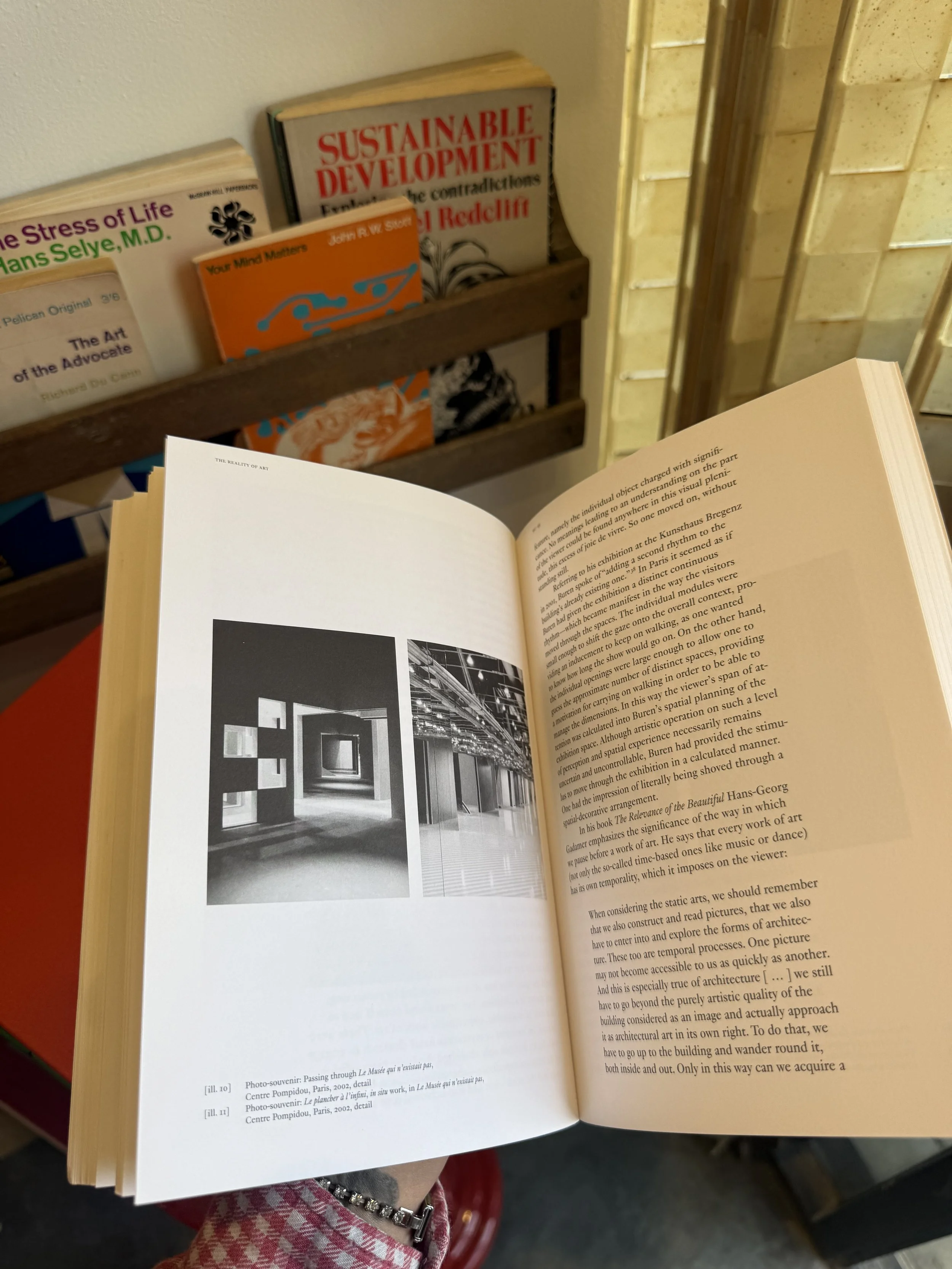
In How to Do Things with Art, German art historian Dorothea von Hantelmann uses four case study artists--Daniel Buren, James Coleman, Jeff Koons and Tino Sehgal--to examine how an artwork acts upon and within social conventions, particularly through the "performing" of exhibitions. The book's title is a play on J.L. Austin's seminal text, How to Do Things with Words, which describes language's reality-producing properties and demonstrates that in "saying" there is always a "doing"--a linguistic counterpart to the dynamics envisioned by Von Hantelmann for art, in which "showing" is a kind of "doing." Von Hantelmann's close analysis of works by Buren, Coleman, Koons and Sehgal explores how each of these artists has taken control of how their work conducts itself in the world.
Paperback, 6 x 8.25 in. / 208 pgs / 19 bw.
ISBN 9783037641040
November 2010, Out of Print
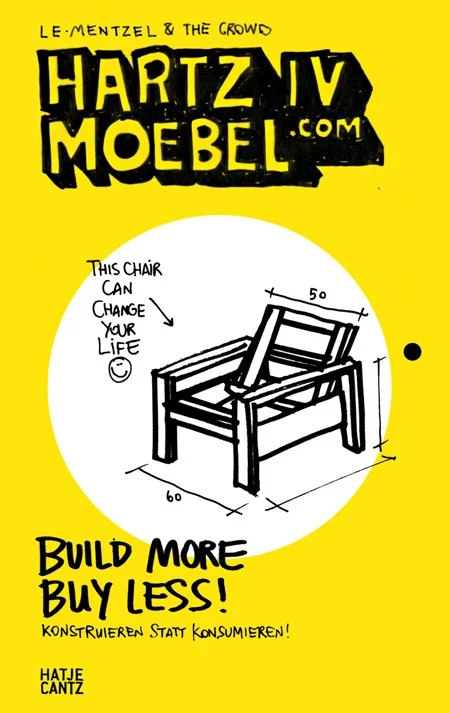
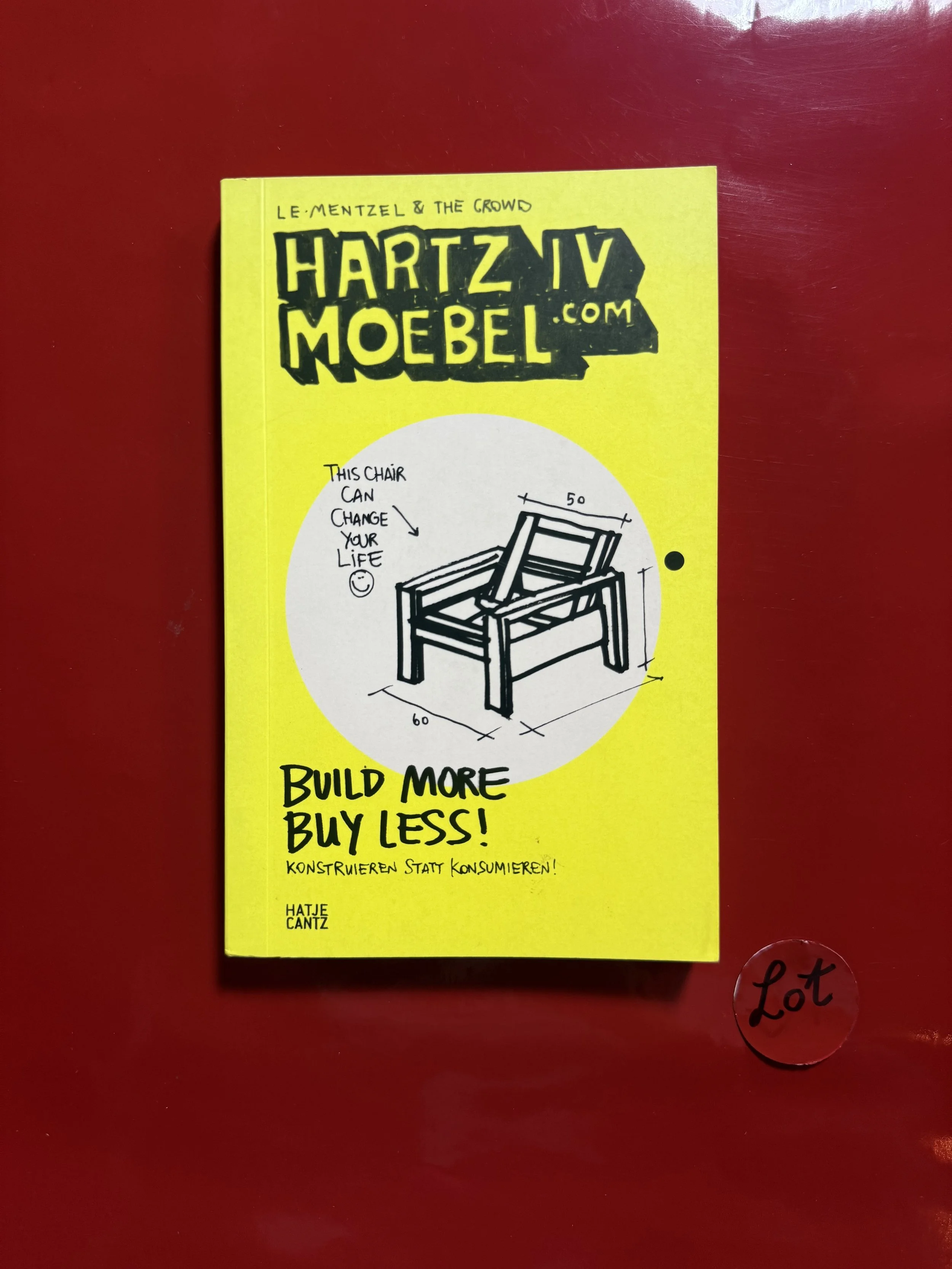
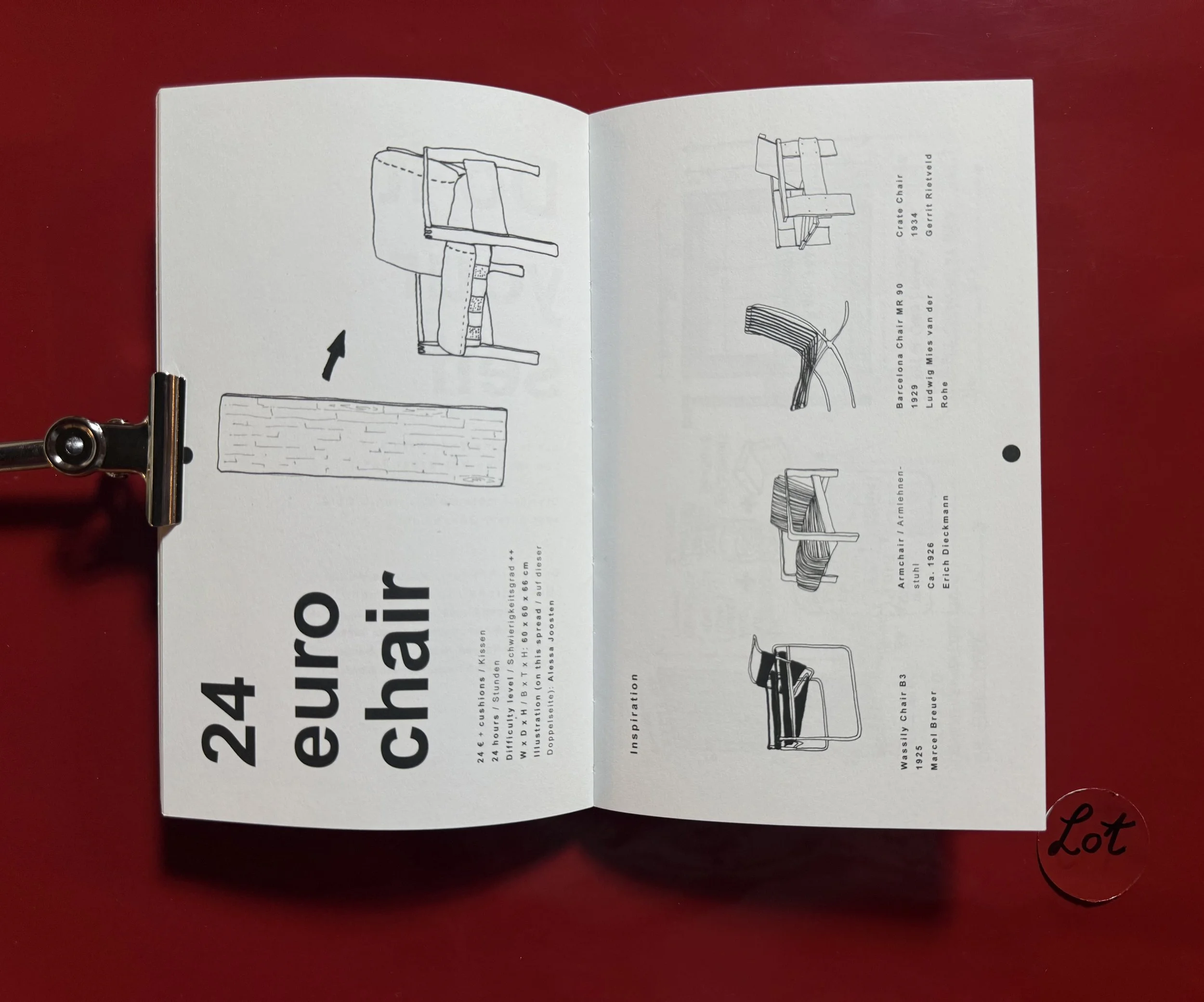
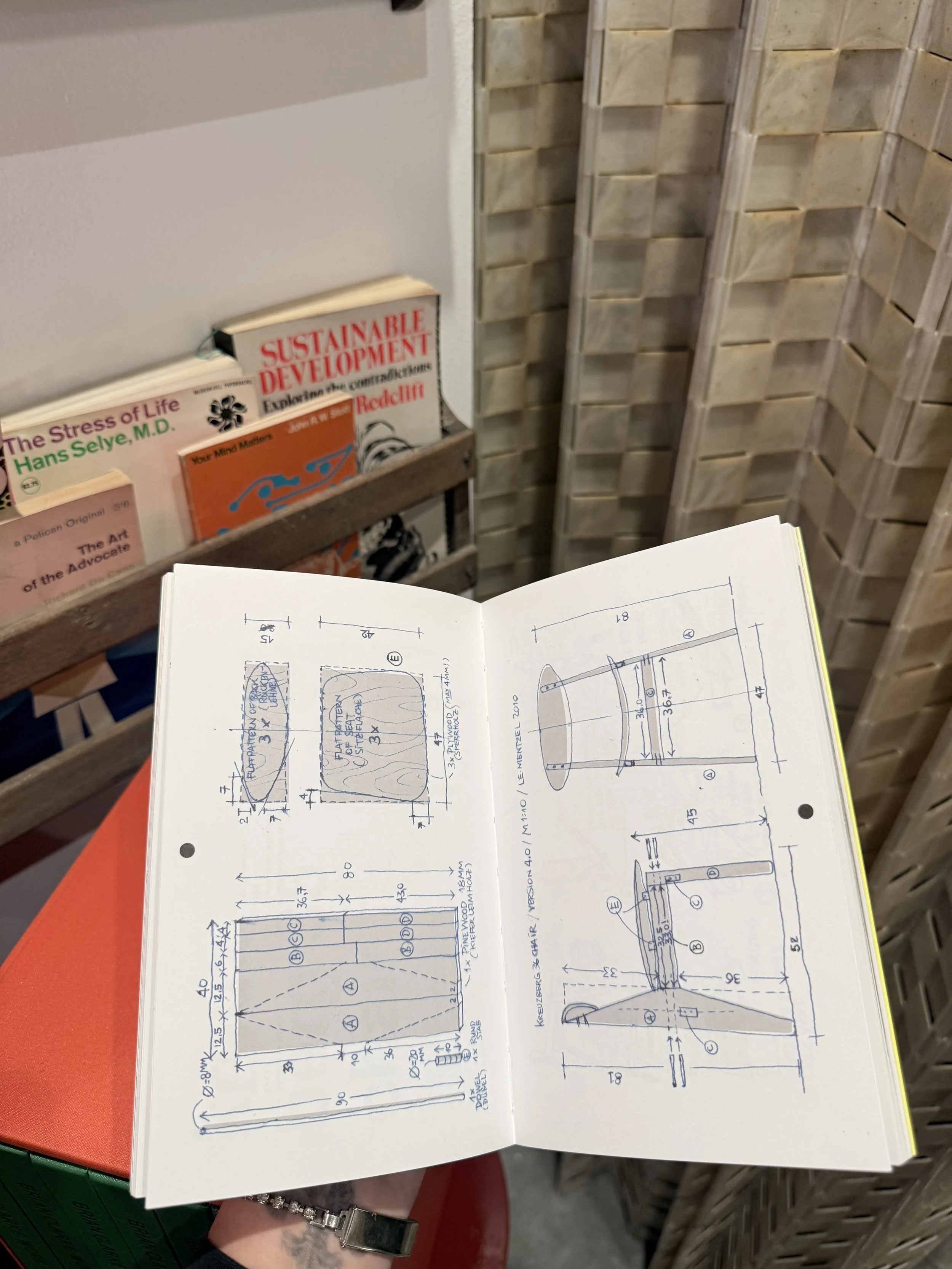
Berlin-based architect and rapper Van Bo Le-Mentzel is the founder of the popular Hartz IV Moebel initiative and website “Build more! Buy less!”
Hartz IV Moebel shows you how to build your own furniture with minimal resources and cost (Hartz IV is the name of Germany’s social welfare benefit). Amateurs worldwide have followed these instructions and built a cube sofa, a “Berliner Hocker,” a “24-Euro Chair” or a “100-Second Lamp.” This inspirational volume offers both a practical guide and manifesto for affordable furniture.
Bilingual book: English, German
Only one available.
ISBN: 9783775733953
144 pp, February 2013
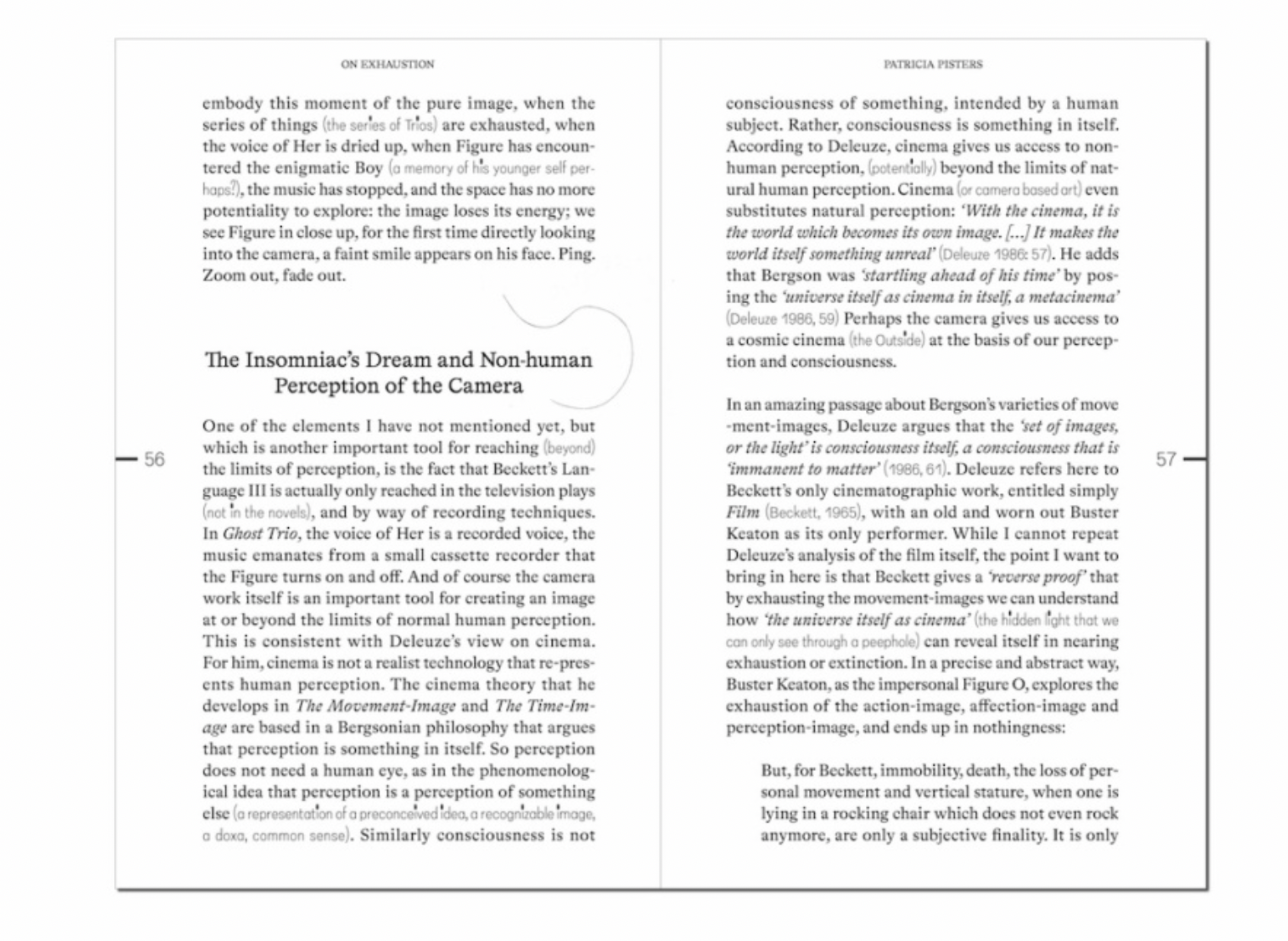
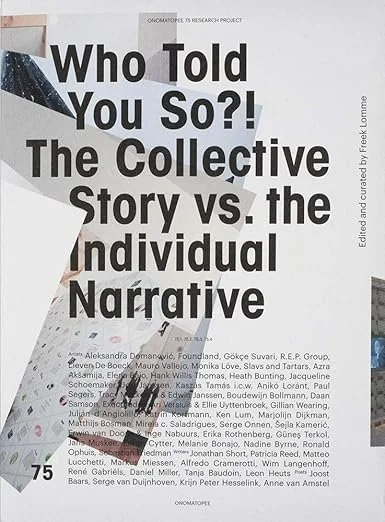
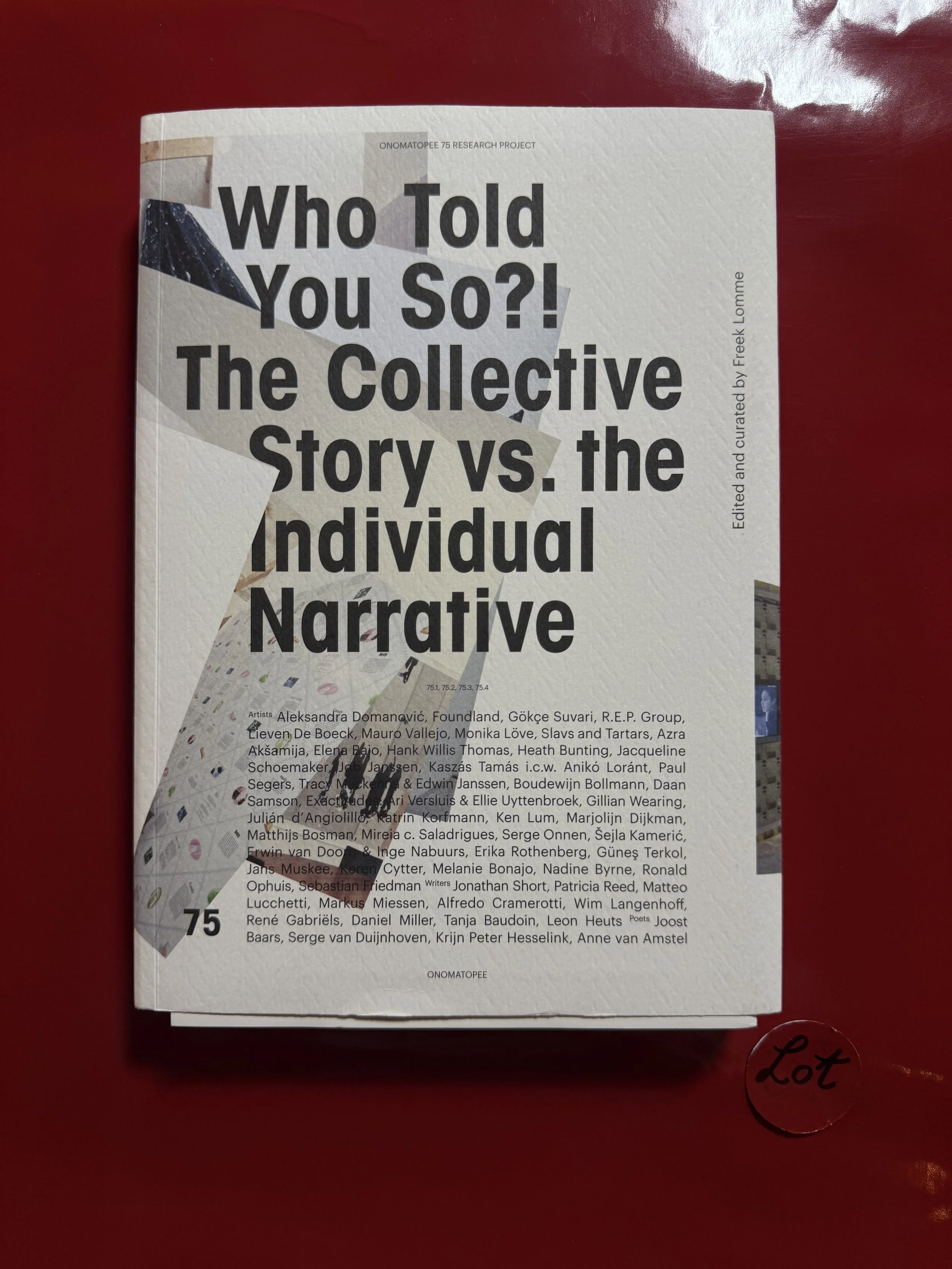
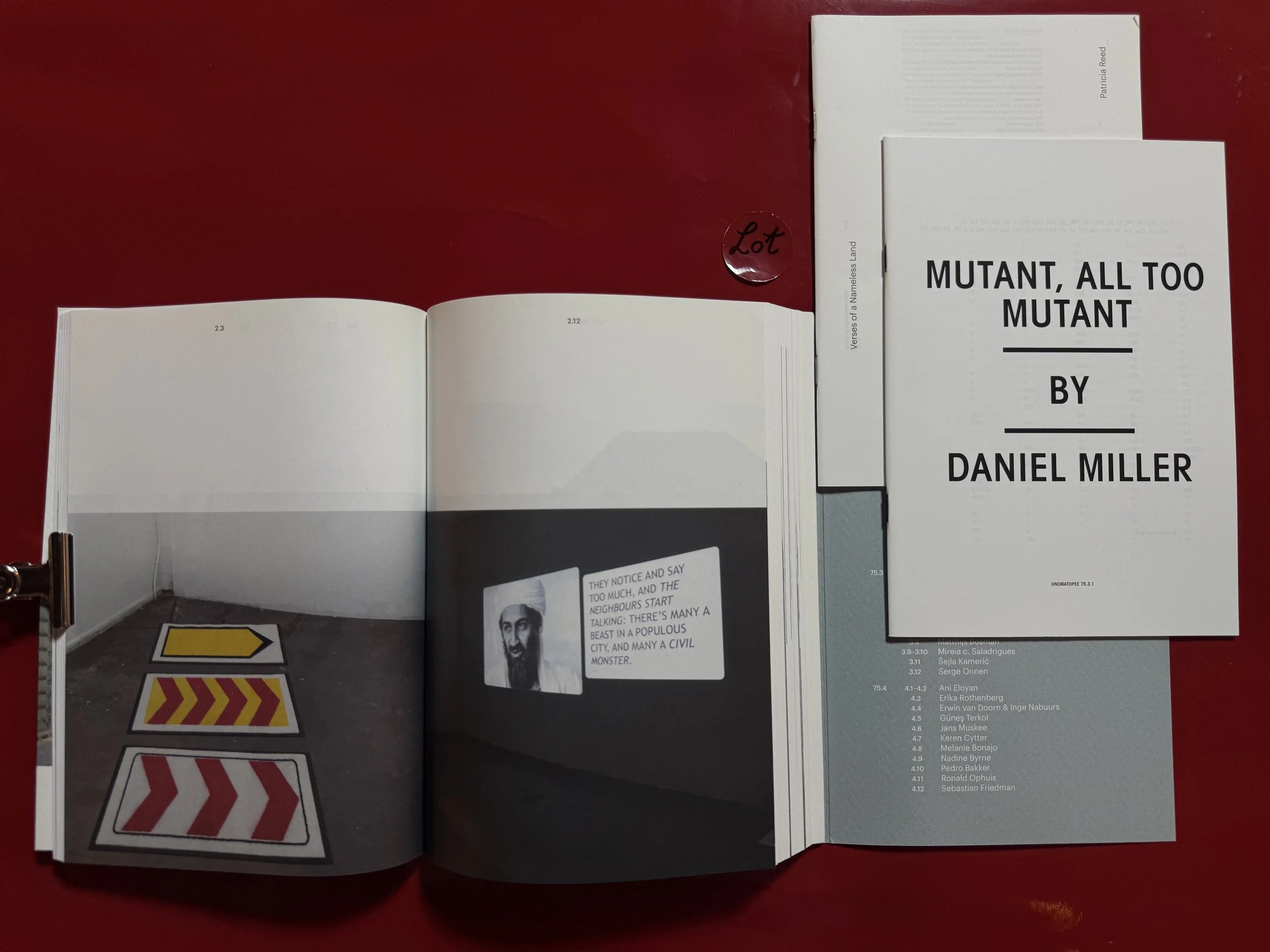
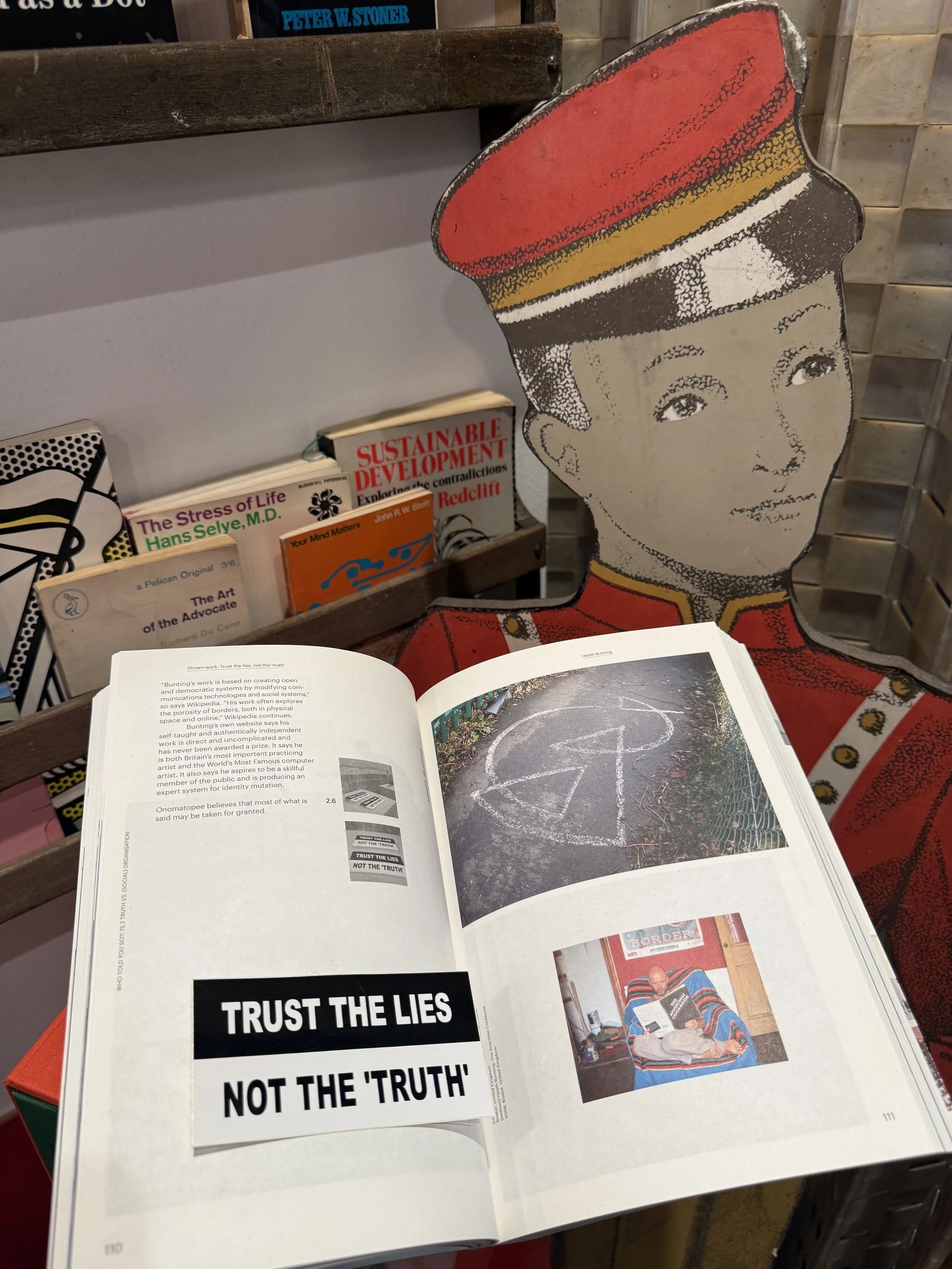
Only accountable to ourselves, Who told you so?! The collective story vs. the individual narrative challenges states of social ambivalence within various levels of cohesion: government, organization, scene and family. Engage in conversation with artists on belonging to find and strengthen your own voice within.
Artists in conversation include Aleksandra Domanovic, Foundland, Gökçe Suvari, R.E.P. Group, Lieven De Boeck, Mauro Vallejo, Monika Löve, Slavs and Tartars, Azra Akšamija, Elena Bajo, Hank Willis Thomas, Heath Bunting, Jacqueline Schoemaker, Job Janssen, Kaszás Tamás i.c.w. Anikó Loránt, Paul Segers, Tracy Mackenna & Edwin Janssen, Boudewijn Bollmann, Daan Samson, Exactitudes: Ari Versluis & Ellie Uyttenbroek, Gillian Wearing, Julián d’Angiolillo, Katrin Korfmann, Ken Lum, Marjolijn Dijkman, Matthijs Bosman, Mireia c. Saladrigues, Serge Onnen, Šejla Kameric, Erwin van Doorn & Inge Nabuurs, Erika Rothenberg, Günec Terkol, Jans Muskee, Keren Cytter, Melanie Bonajo, Nadine Byrne, Ronald Ophuis, Sebastian Friedman
Writers: Jonathan Short, Patricia Reed, Matteo Lucchetti, Markus Miessen, Alfredo Cramerotti, Wim Langenhoff, René Gabriëls, Daniel Miller, Tanja Baudoin, Leon Heuts
Poets: Joost Baars, Serge van Duijnhoven, Krijn Peter Hesselink, Anne van Amstel
August 2013 - Out of Print - Single copy
438pp Onomatopee Projects ISBN: 978-9491677045
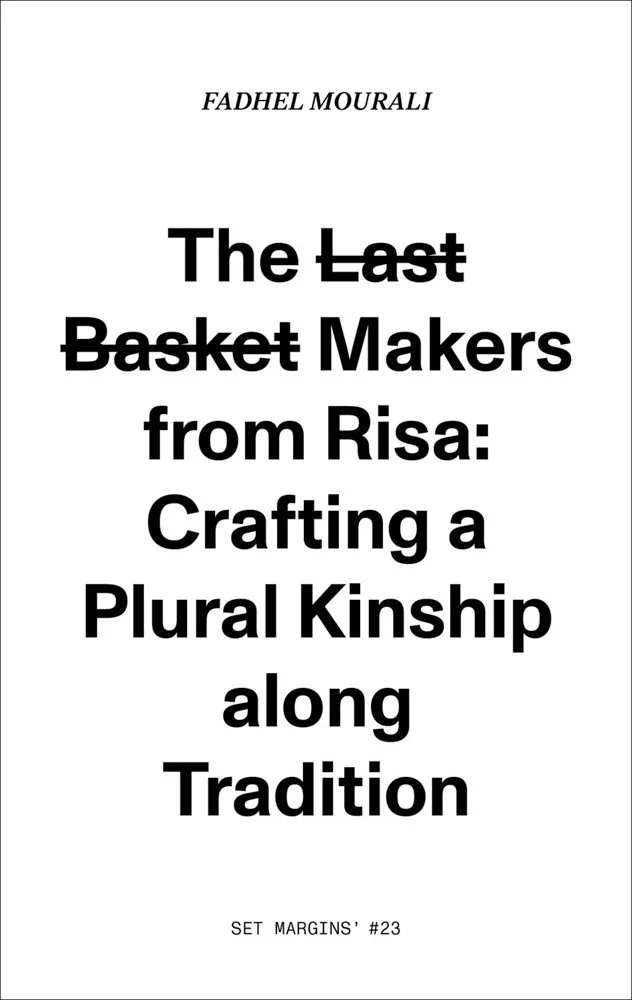
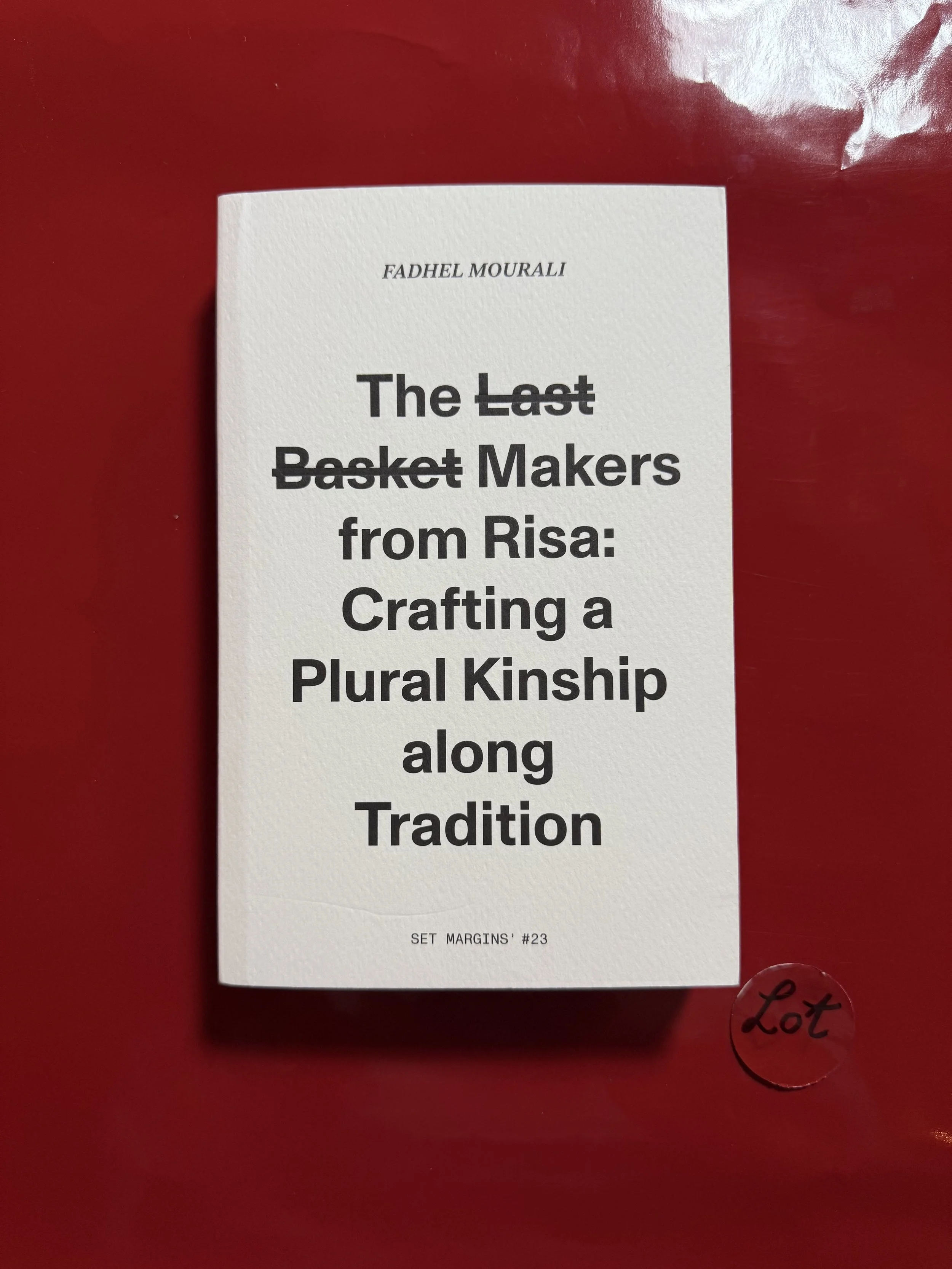
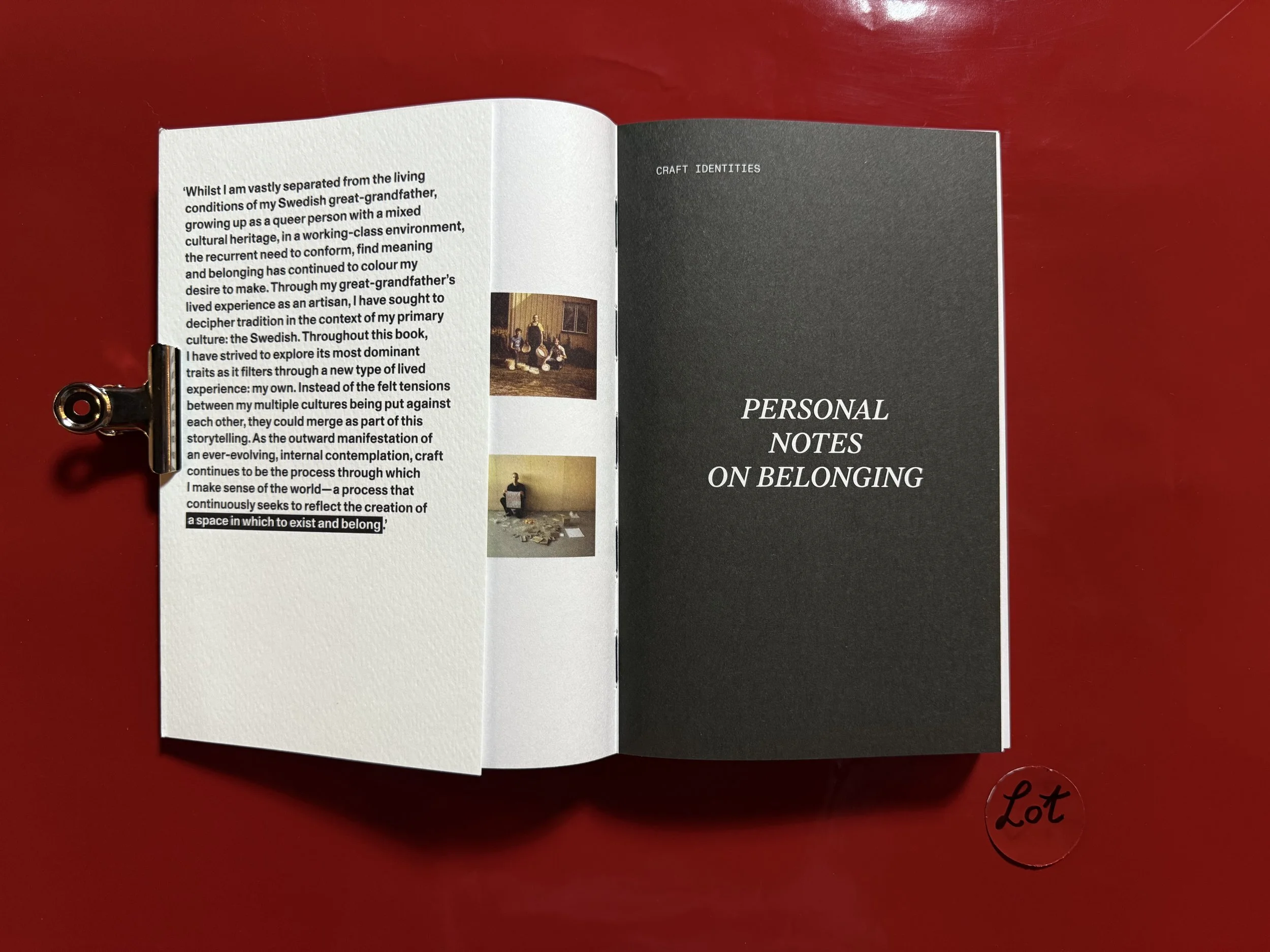
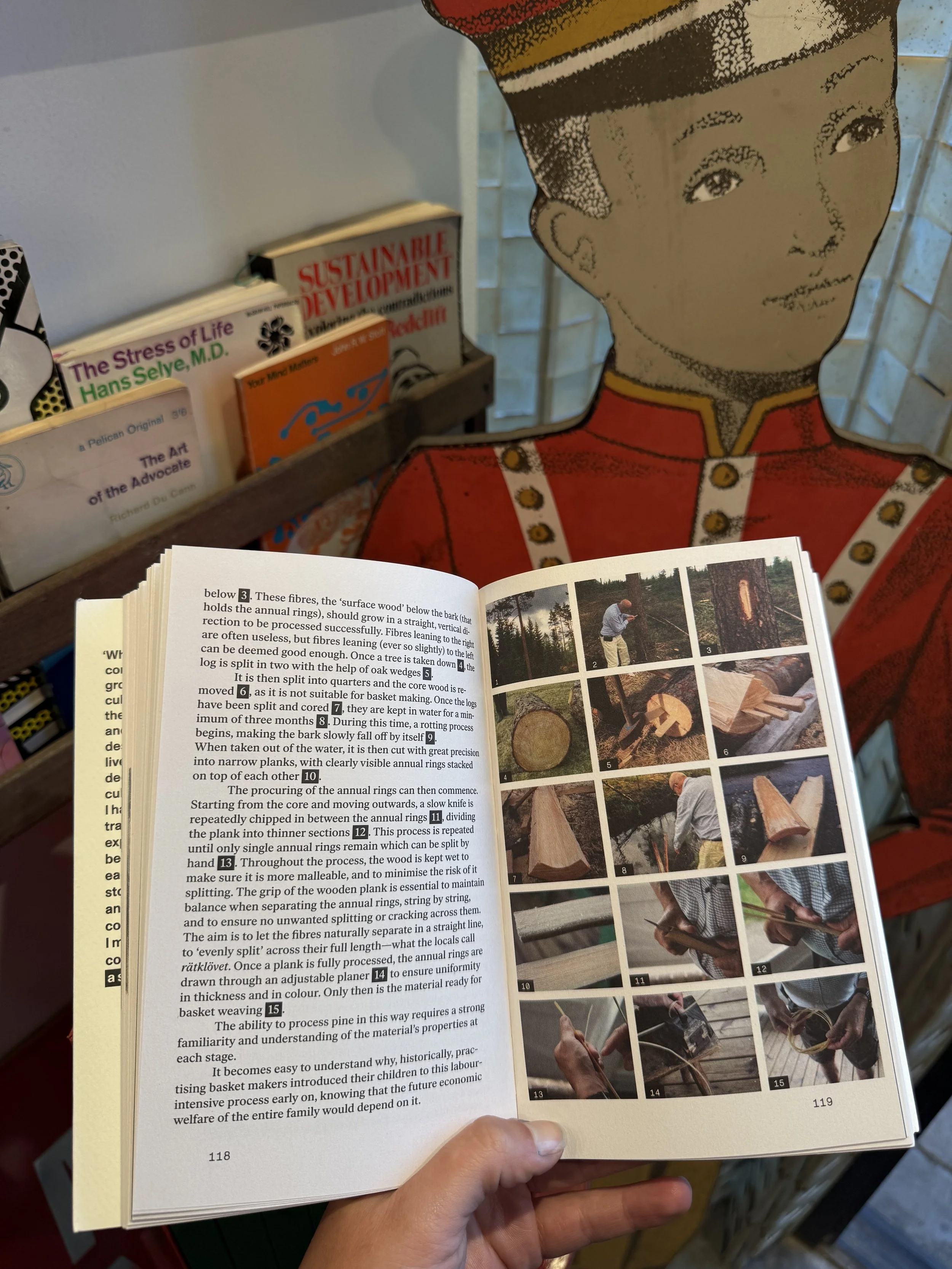
Crafty, personal and full with tradition, Fadhel Mourali's family history of basket weaving is akin to queering in its associations with care and rooting
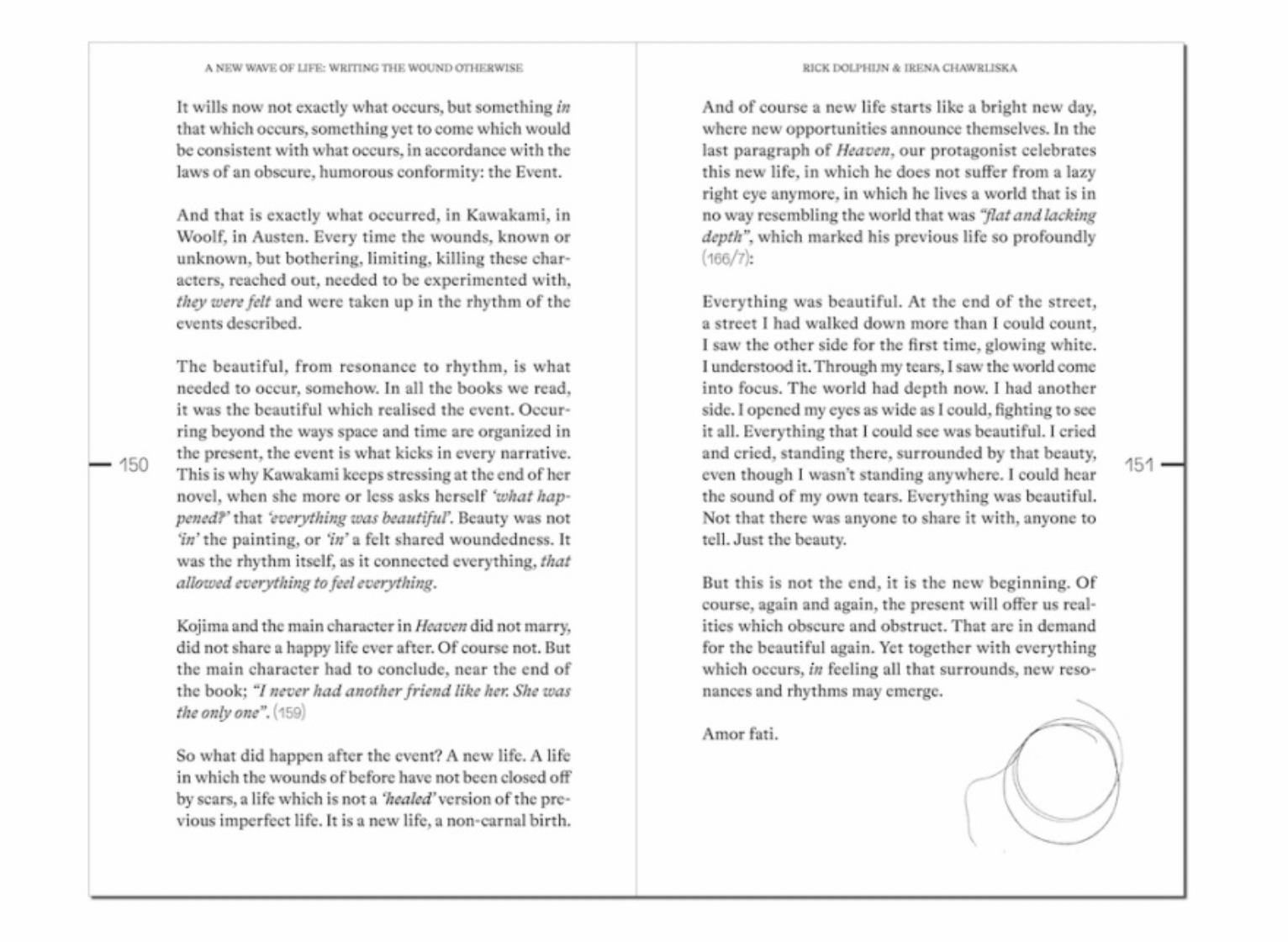
From a local tradition coming out of a small historical world to a tradition involved in a vast queer-worlding of making,The Last Basket Makers from Risa refers to a lineage of artisans producing the enigmatic Hedared basket—from Lennart, the basket’s first ‘last maker’—to Lennart’s great-grandson, Fadhel Mourali. This is his report on an open-ended process of identifying and crafting the material of kinship.
Crafty, personal, and entangled with tradition, Fadhel’s research and own making share stories out of and surrounding the rural community of Risa—the former home of his great-grandfather. Here, a dialogical and productive patchwork unfolds, exploring tradition, evolution, and adaptation. This process—akin to queering—includes expected and unexpected entanglements of care and rooting.
SET MARGINS’ PUBLICATIONS
ISBN: 9789083499307
Pub Date: 11/25/2025